My Musical Vacation in India

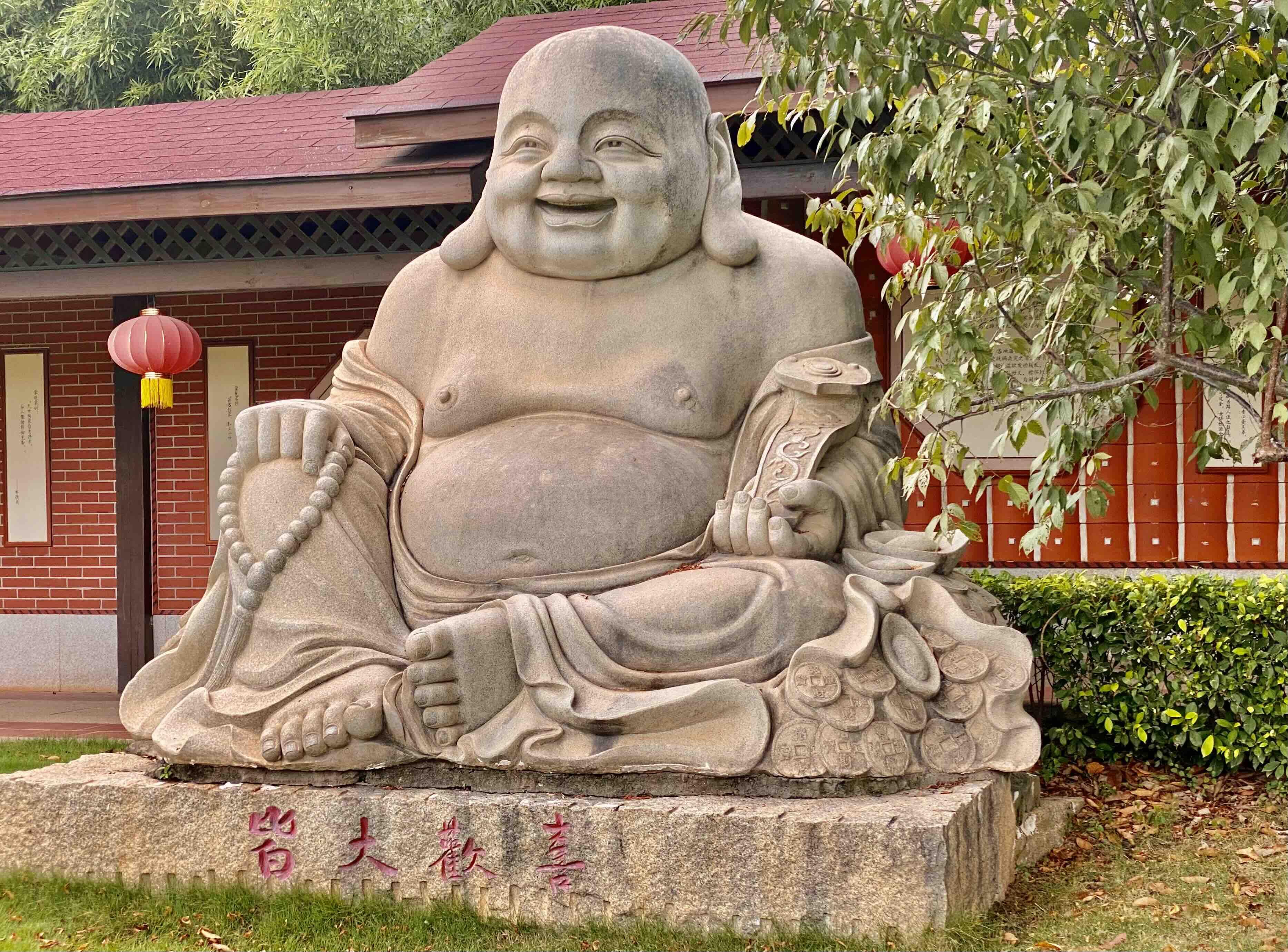
Our Viking China cruise continued to three port cities I had never heard of before. The Chinese government seeks to increase tourism, and our cruise is one of the first collaborations with the Chinese government and Viking Cruises. The ship's staff is 100% Chinese, and the entertainers are all Chinese. So this particular cruise is different from the usual Viking multi-national staff.
Our ship, the Yi Dun, is named after the first Chinese commercial ship launched in 1872, the Yi Dun.
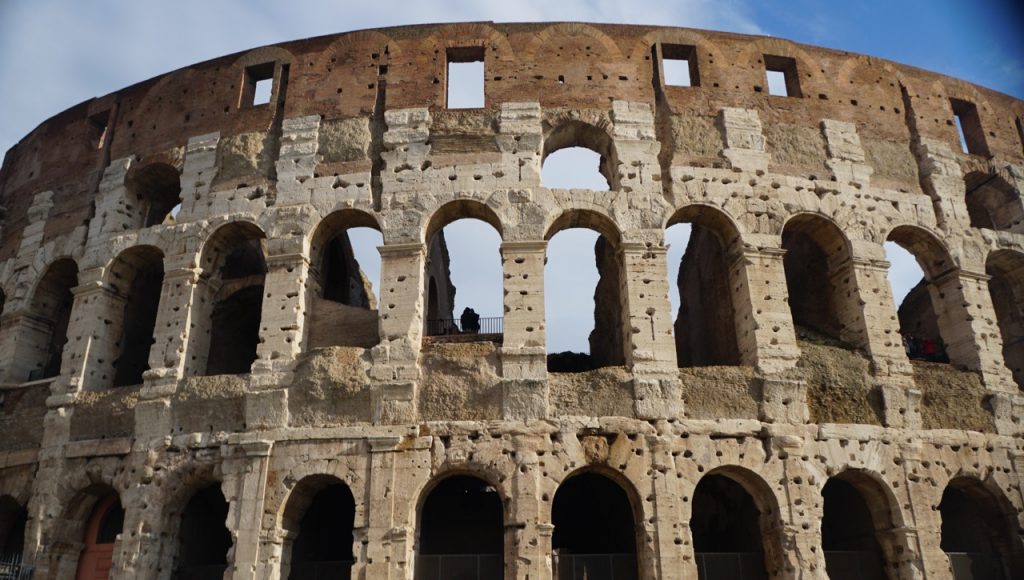
We spent two tourist days in Rome prior to boarding the Viking cruise ship. Our hotel was located in the Trastevere section of Rome, an older residential area across the Tiber River from the central city, home to Rome’s most famous architectural landmarks.
My travel blogs are intended to provide my readers with the vicarious pleasure of my sharing my travel experiences.

Rice is a staple of the Japanese diet. Japanese-grown rice costs twice as much in Japan as the same rice sold in other countries. This is because of a convoluted system of distribution and middlemen, which raises the price far beyond the actual and reasonably expected price of rice.
The price of healthcare in America is similarly inflated. . .
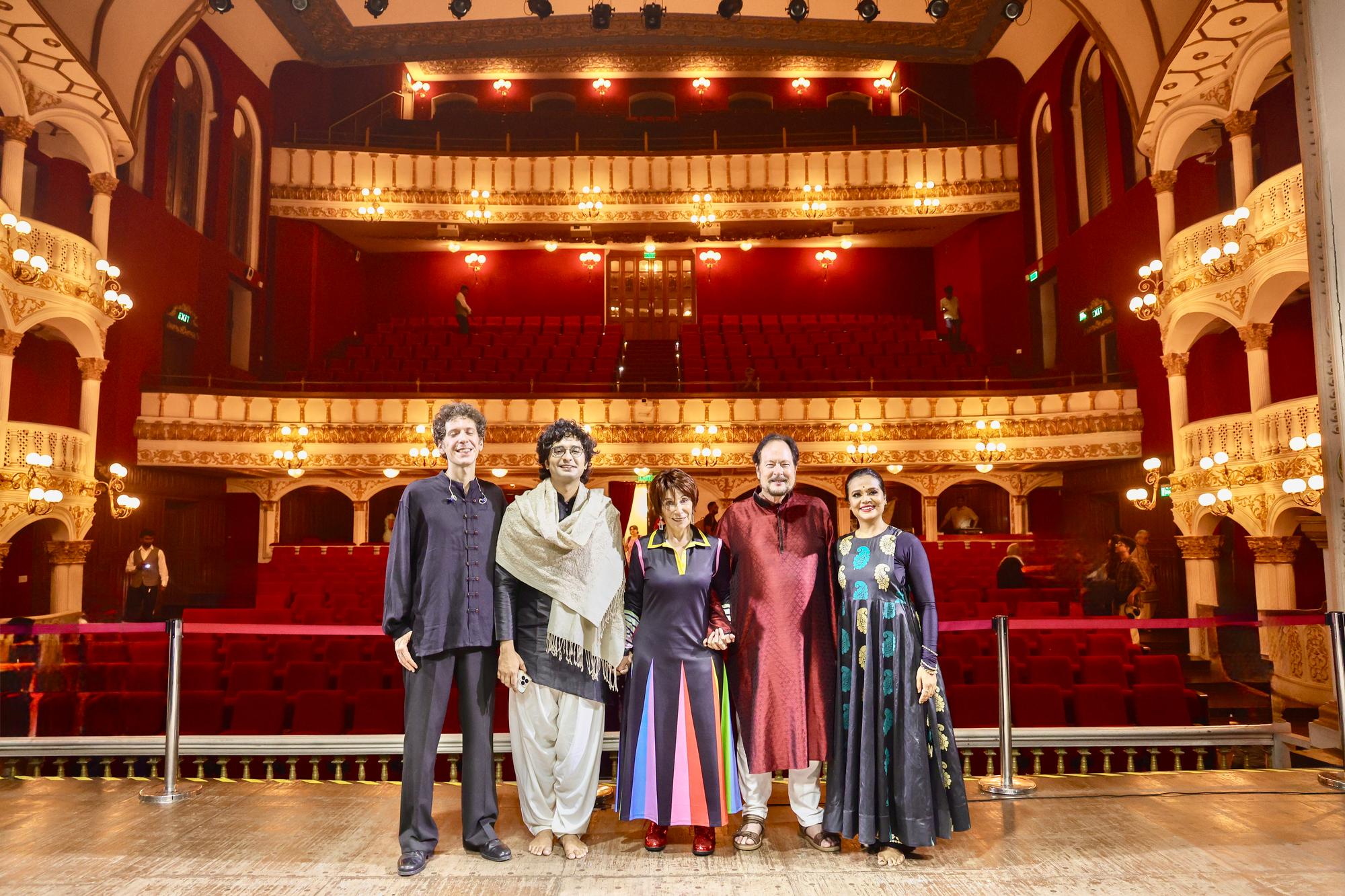
As Susan and I conclude our sixth and final week in Mumbai, India, I will attempt to relate the cultural impressions rather than just recounting the events. Readers of my previous blogs will know I’ve been visiting India for many years, playing music in various settings.
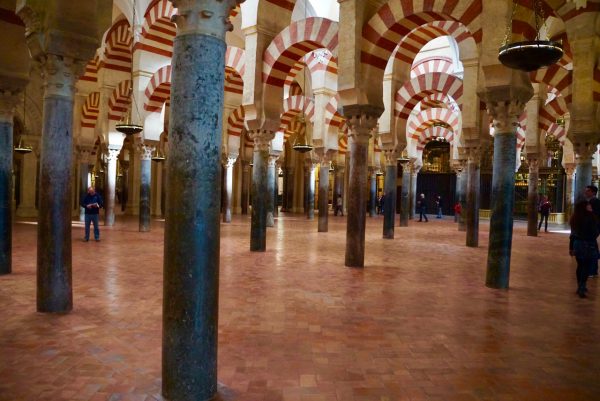
To tour a country as part of a group tour necessarily results in a superficial introduction to the countries visited. But the advantage is that all the logistical details are covered in advance by the tour company. In the case of this Go Ahead tour, we spent two days in Portugal, followed by five days in Spain, to be followed by a week in Morocco.

This blog will describe Southern Chile: Puerto Montt, two impressive glaciers, Punta Arenas, and our transit around Cape Horn, the southernmost part of Tierra Del Fuego, South America.
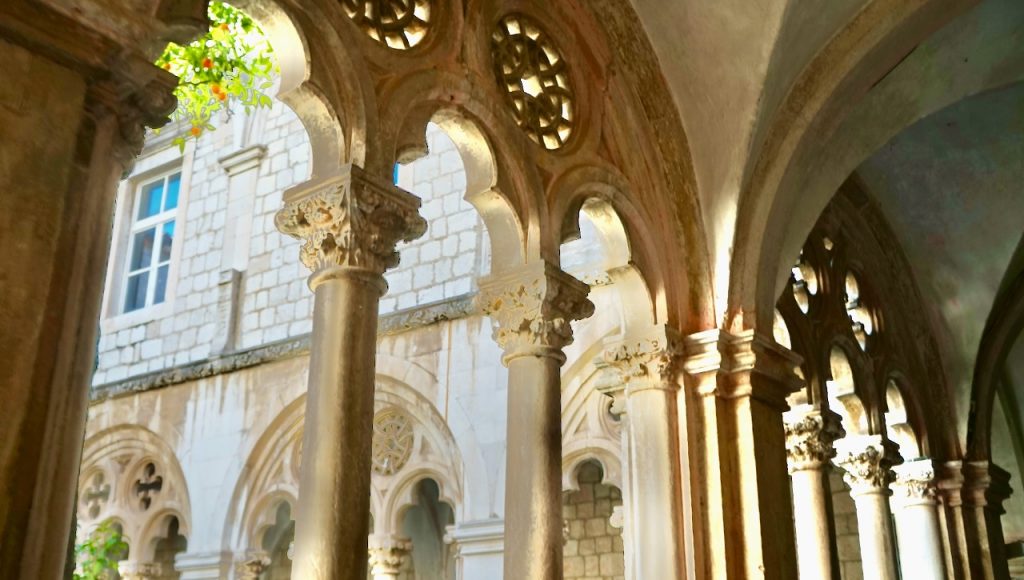
The medieval walled city of Dubrovnik has been called “the Pearl of the Adriatic.” The city dates from the 7th century, and existed as a prosperous independent city-state during the Middle Ages, known for its diplomacy and wealth.