The Glory of Istanbul
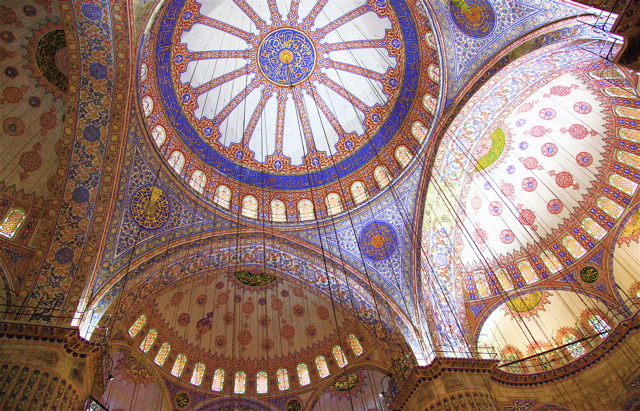
My Second Trip to Turkey. Istanbul has modernized beyond recognition in the forty-one years since my first visit. . .
In this post, based on what I learned during our Viking River Cruise from Bucharest to Budapest, I will attempt something very difficult: to explain the history of the Balkan countries in a short essay. This journey up the Danube River has been an amazing history lesson. I’ve learned that the Balkan situation is even more complicated than the Middle East, because the Middle East crisis escalated mostly in the last century, whereas the Balkan region has been at war for more than a millennium. . .

Whenever I travel to “old Europe,” that is, the continent of Europe, I’m reminded that Europeans are much more aware of history than Americans are. They see the old cathedrals, the castles, the city walls, the statues, the artwork…all products of their long history. . .

My father was a Superior Court judge in Columbus, Georgia. His legal philosophy was ahead of his time. He believed that “victimless crimes” were contrary to freedom and the intent of our constitutional founders. His theory of law was that the force of government should only be used to protect people and property, not to incarcerate people for what they do willingly in their private homes. Thus, he believed that prostitution and drugs should be legal. He came close to losing an election when his opponent claimed Judge Smith was “soft on drug dealers.” (He was!) . . .
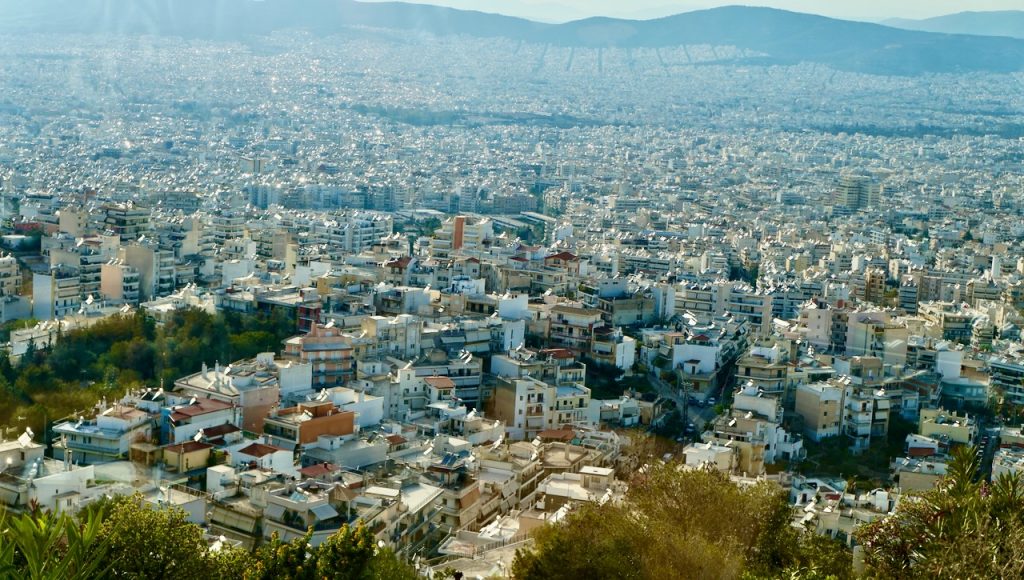
The Greeks affected the whole world with their ideas, foremost among them the concept of democratic rule. Greece gave rise to philosophers including Socrates, Plato, and Aristotle. Greek architecture was adopted first by the Romans, but later around the world, including the columns seen in US government buildings in Washington DC. The Greek language gave rise to words in science, religion, and history that have been adopted by other countries’ languages around the world.

It’s often said that India is a land of contrasts, which I am happy to confirm and illustrate. India has some of the world’s richest people and many of the poorest. It has luxurious high-rise apartment buildings, surrounded by the huts and hovels in which the servants, maids, drivers, cooks, and workmen live who take care of their richer neighbors.
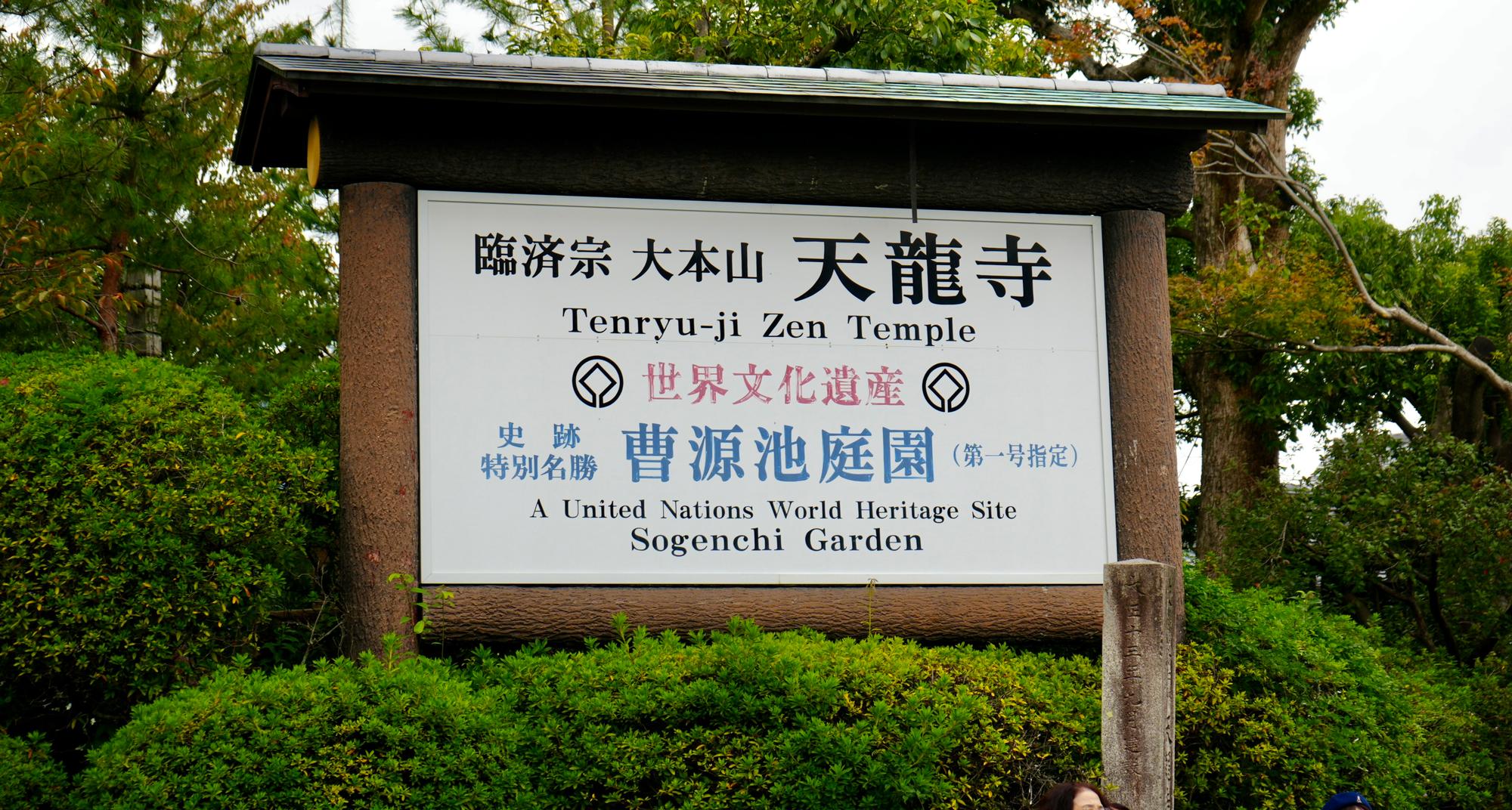
Zen Buddhism came to Japan from India in the 13th century. There was no direct conflict with Shintoism, so many temples honor both religions. The Kyoto Zen Buddhist complex was financed by the Shogun, the richest and most powerful man in Kyoto at that time.