Karnak Temple
Luxor, Egypt, April, 2022 World Cruise
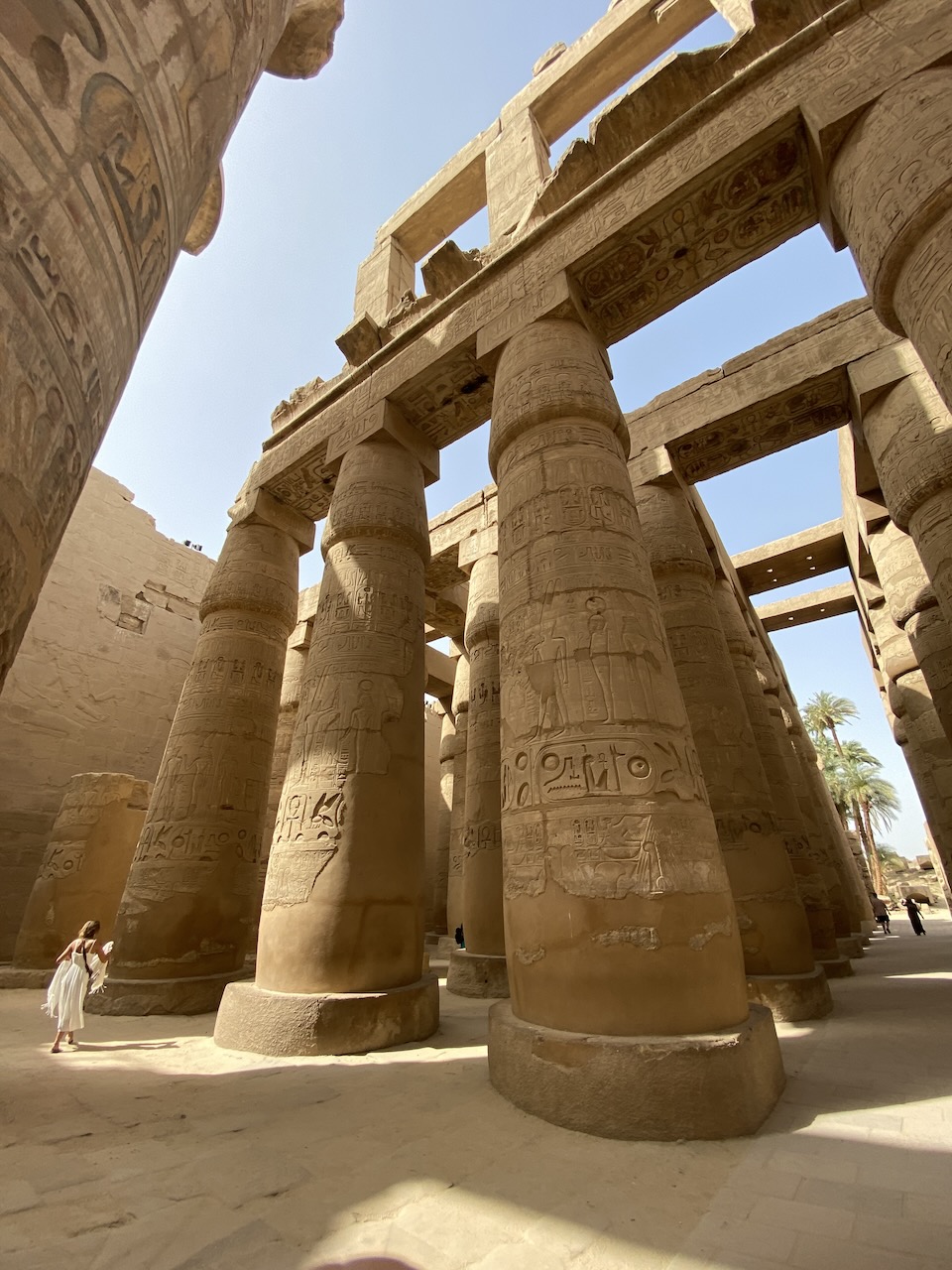
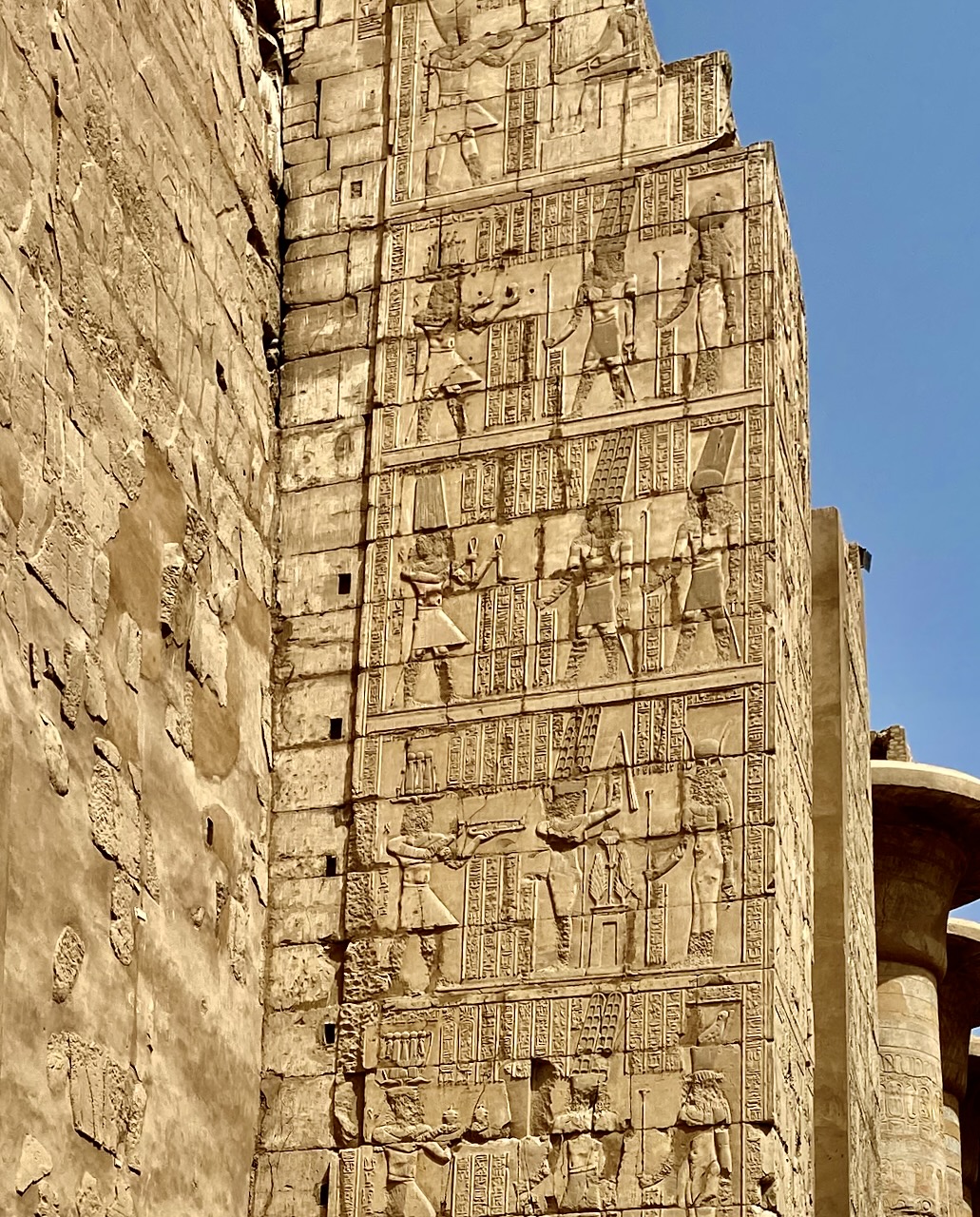
Karnak Temple in Luxor, Egypt, is the second most visited Egyptian tourist site after the pyramids. Karnak is said to be the largest walled temple complex in the world, built, decorated, and modified by over thirty different pharaohs over a period starting around 2000 BC for the next 1300 years. Different religions, gods, and royal personalities are represented in the stone carvings. The ancient Egyptian religion (specifically the worship of the god Ra) predates Judaism, Christianity, and Islam.
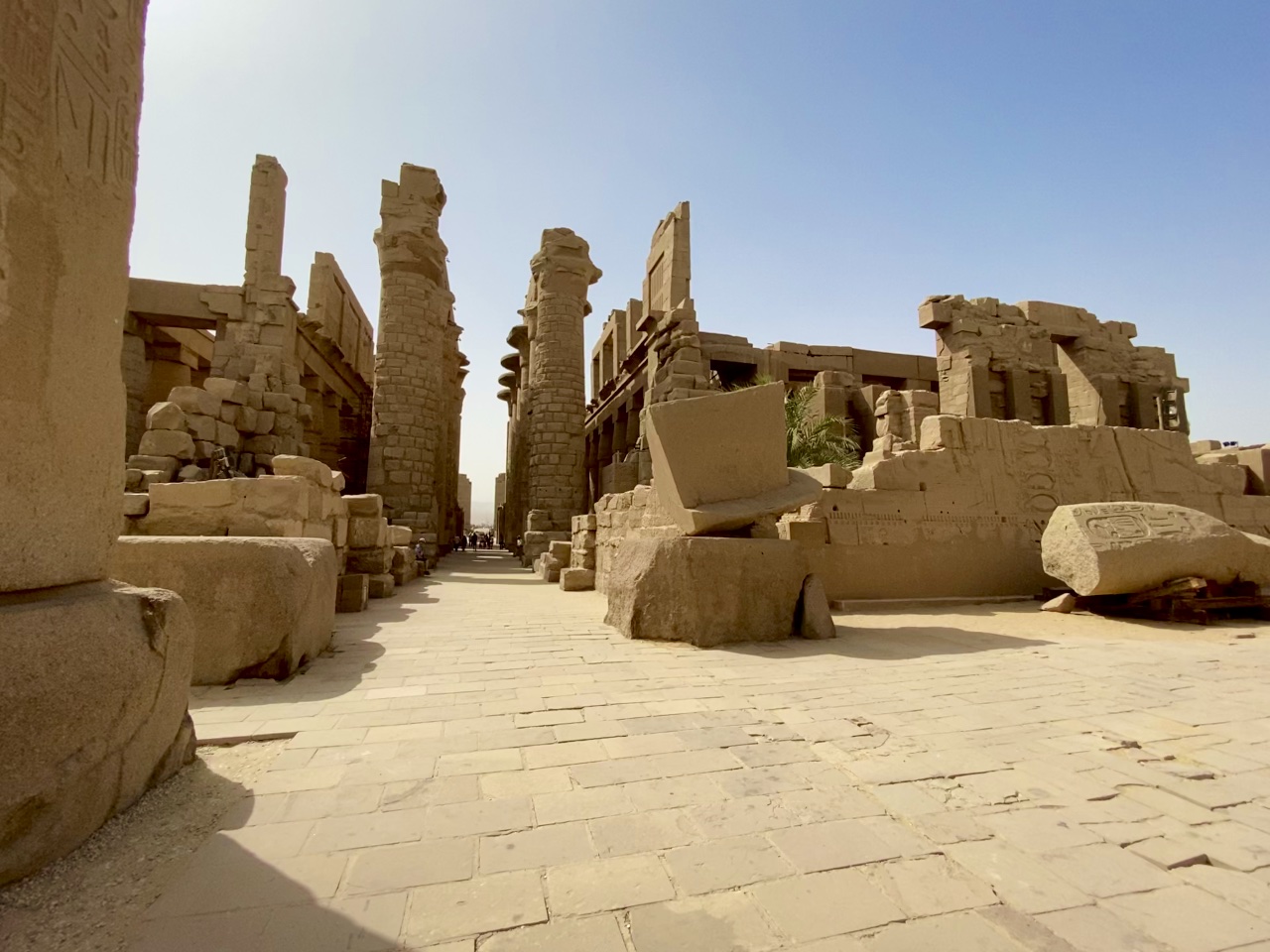
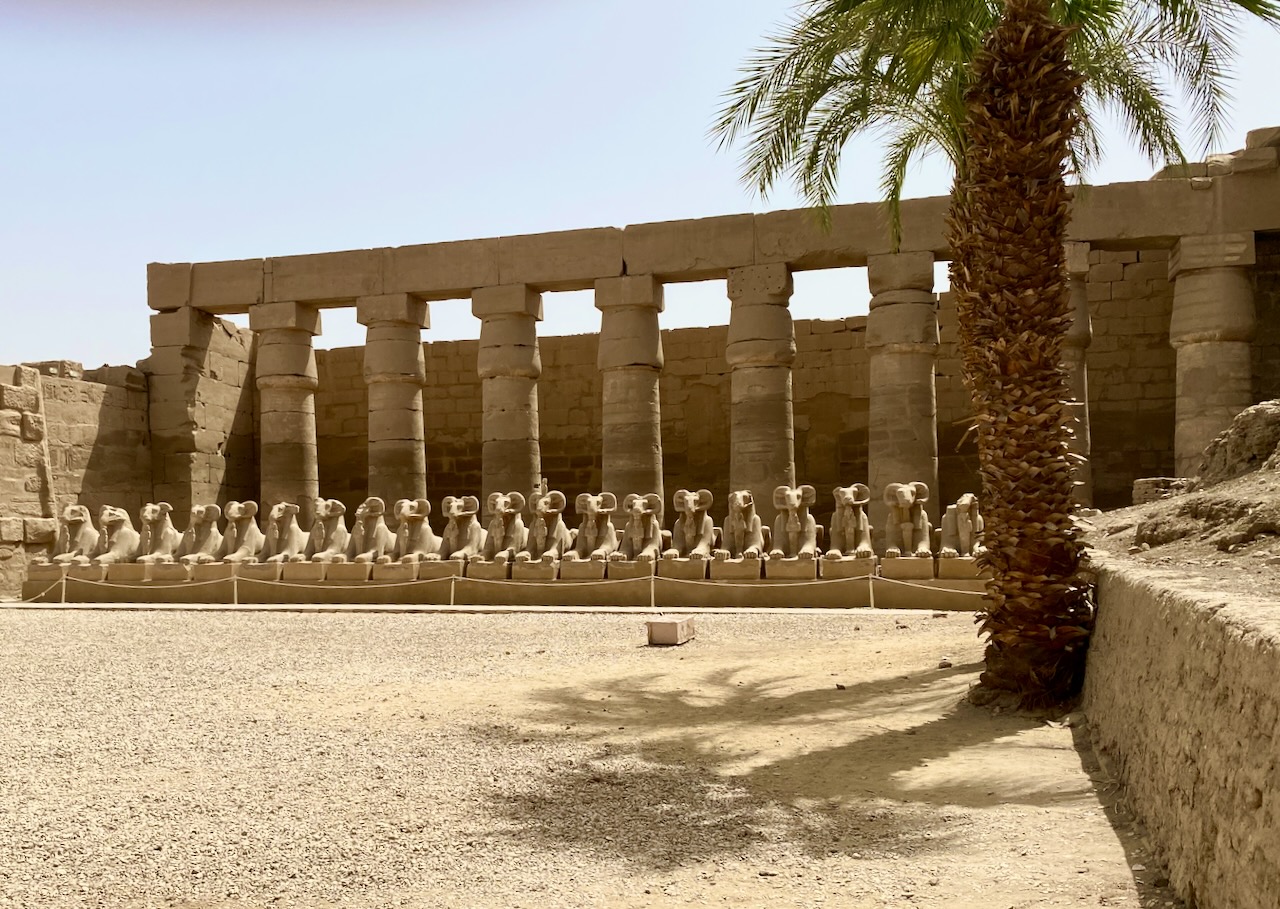
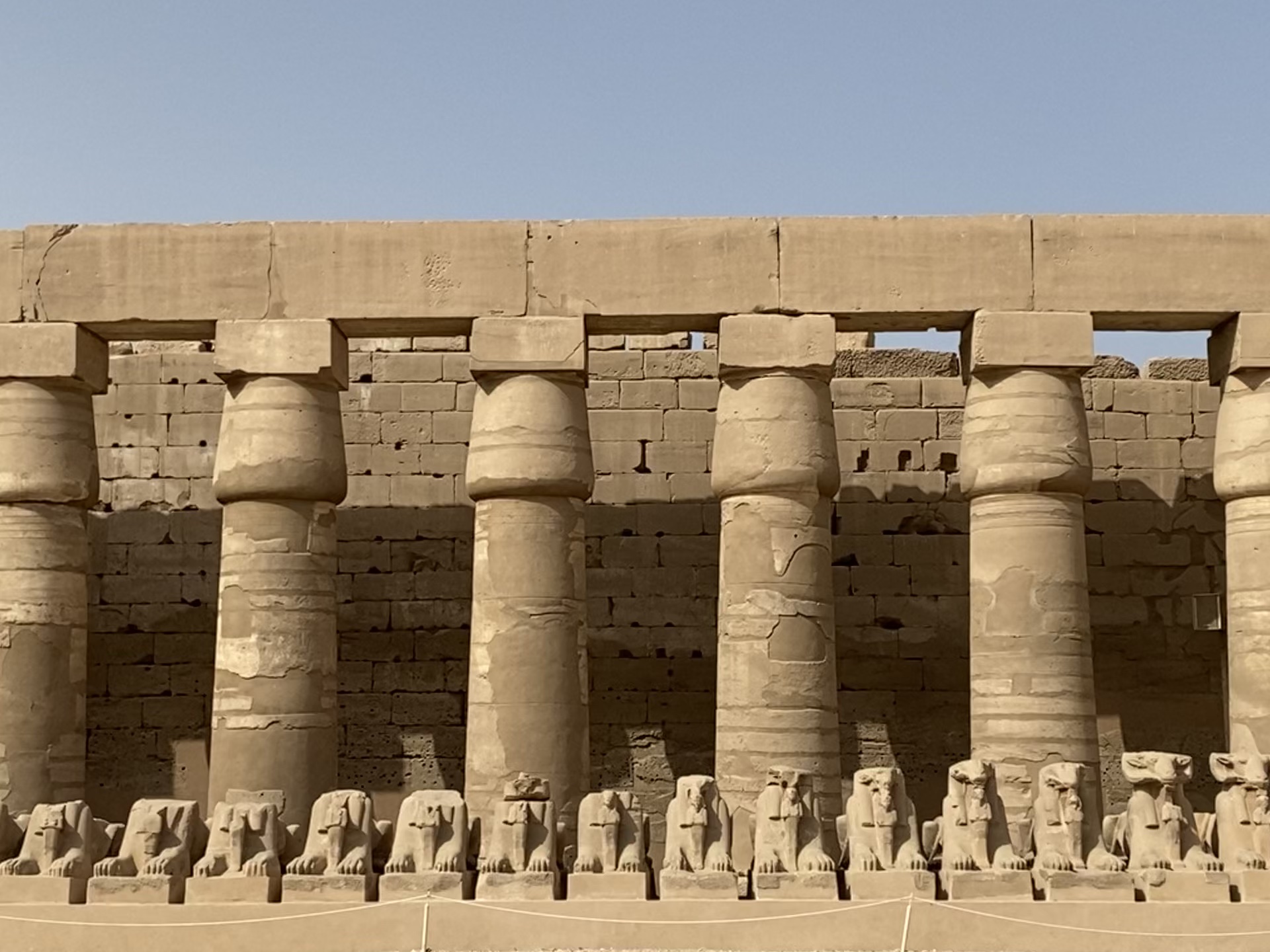
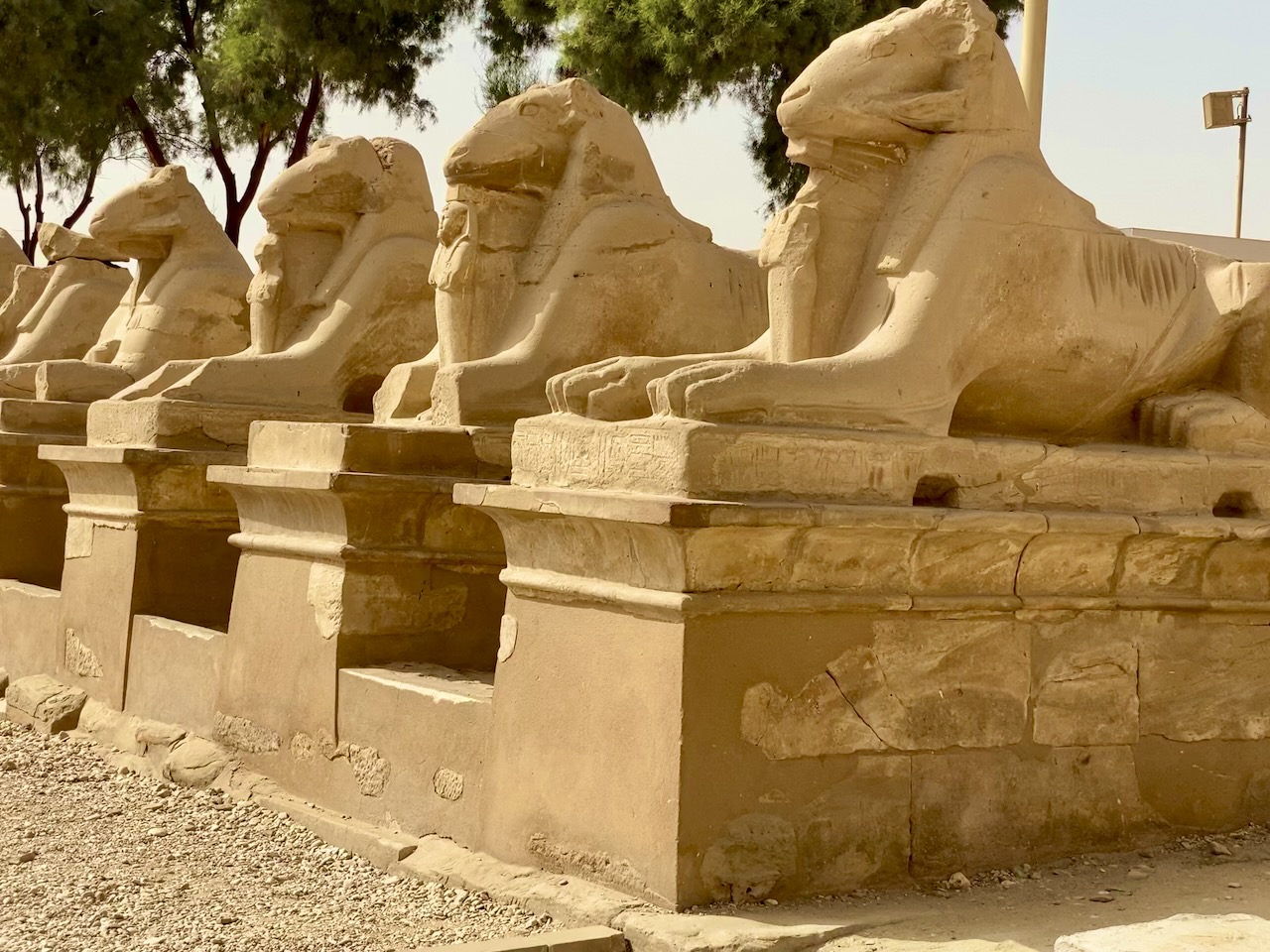
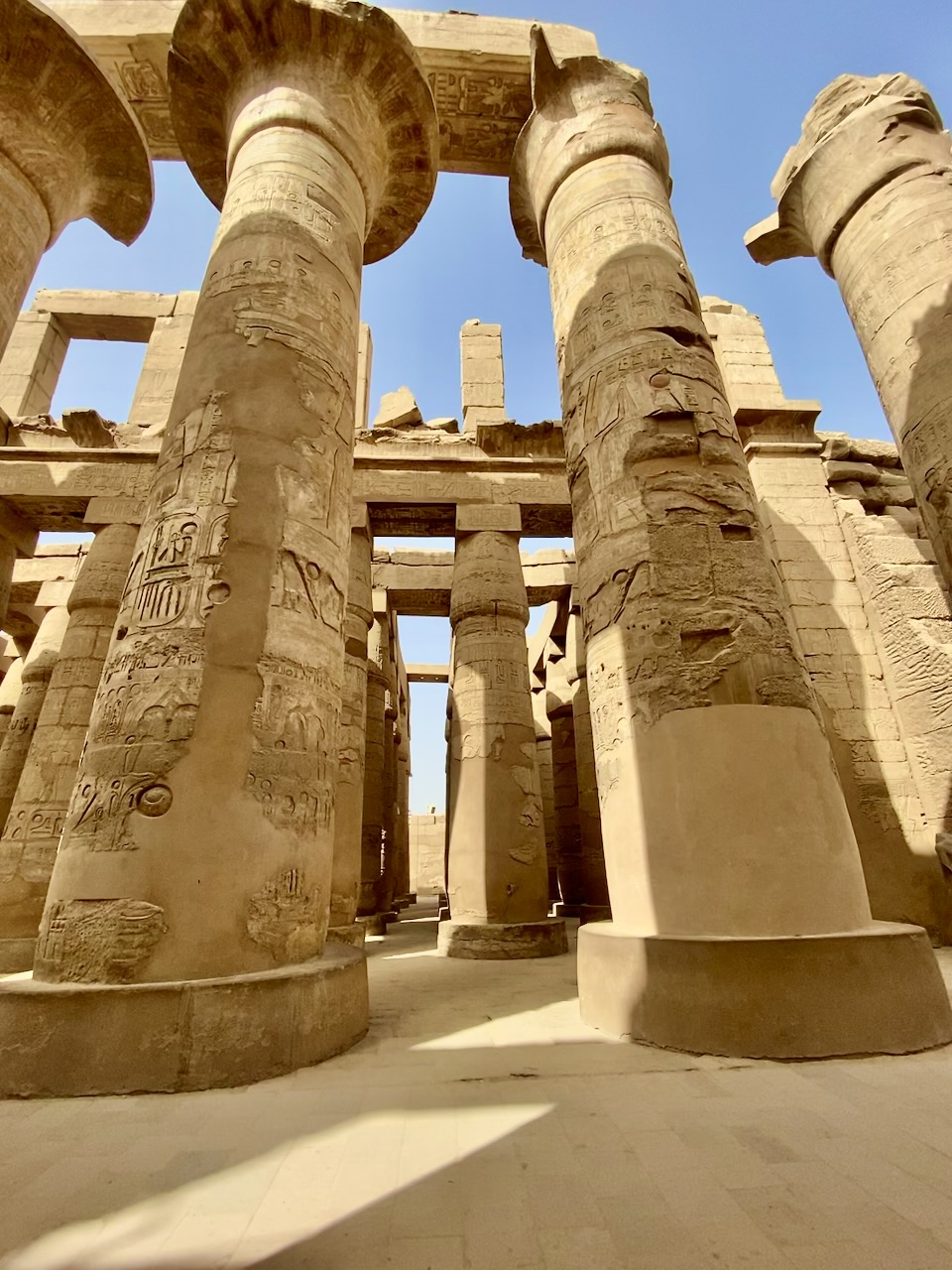
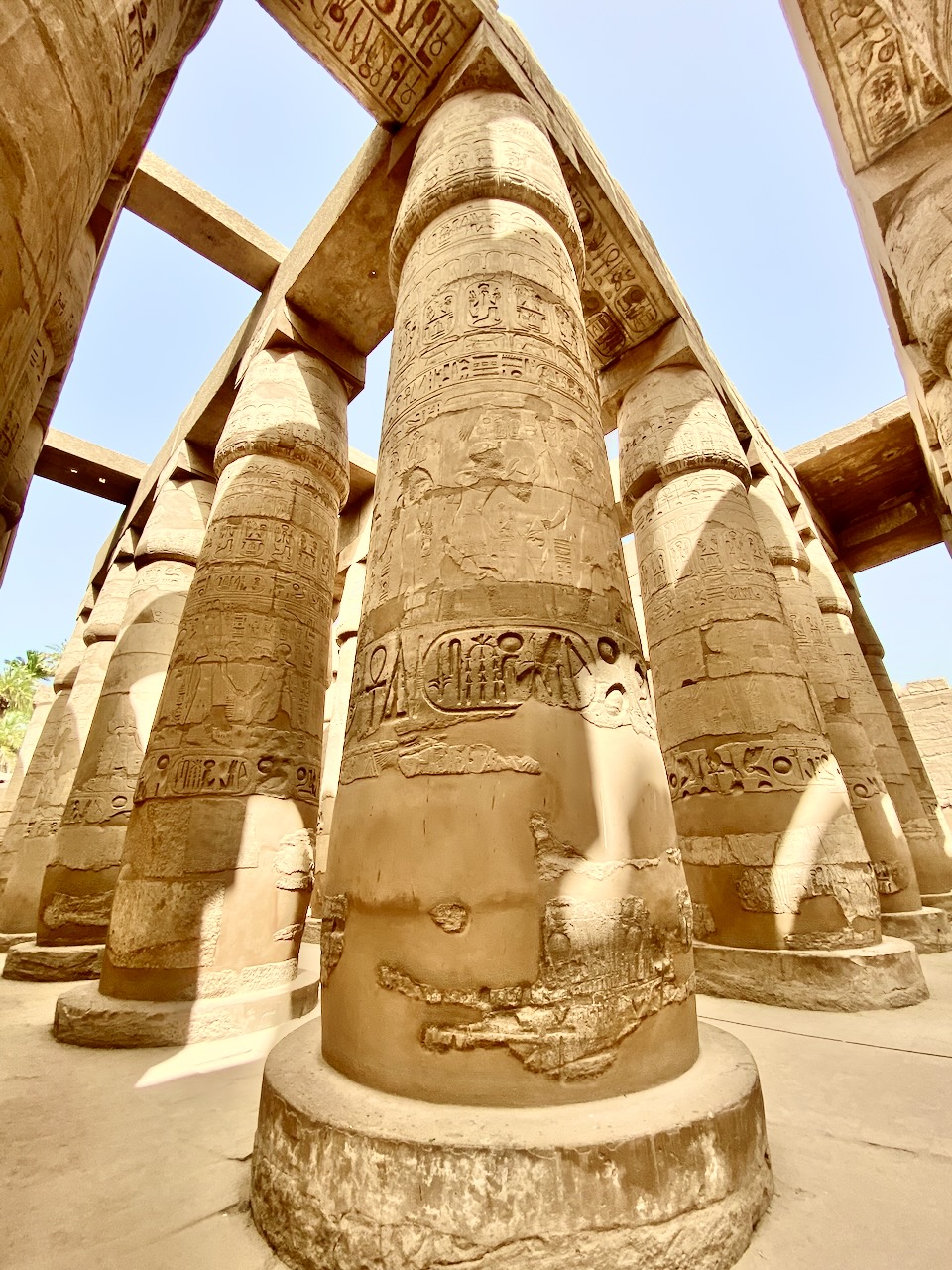
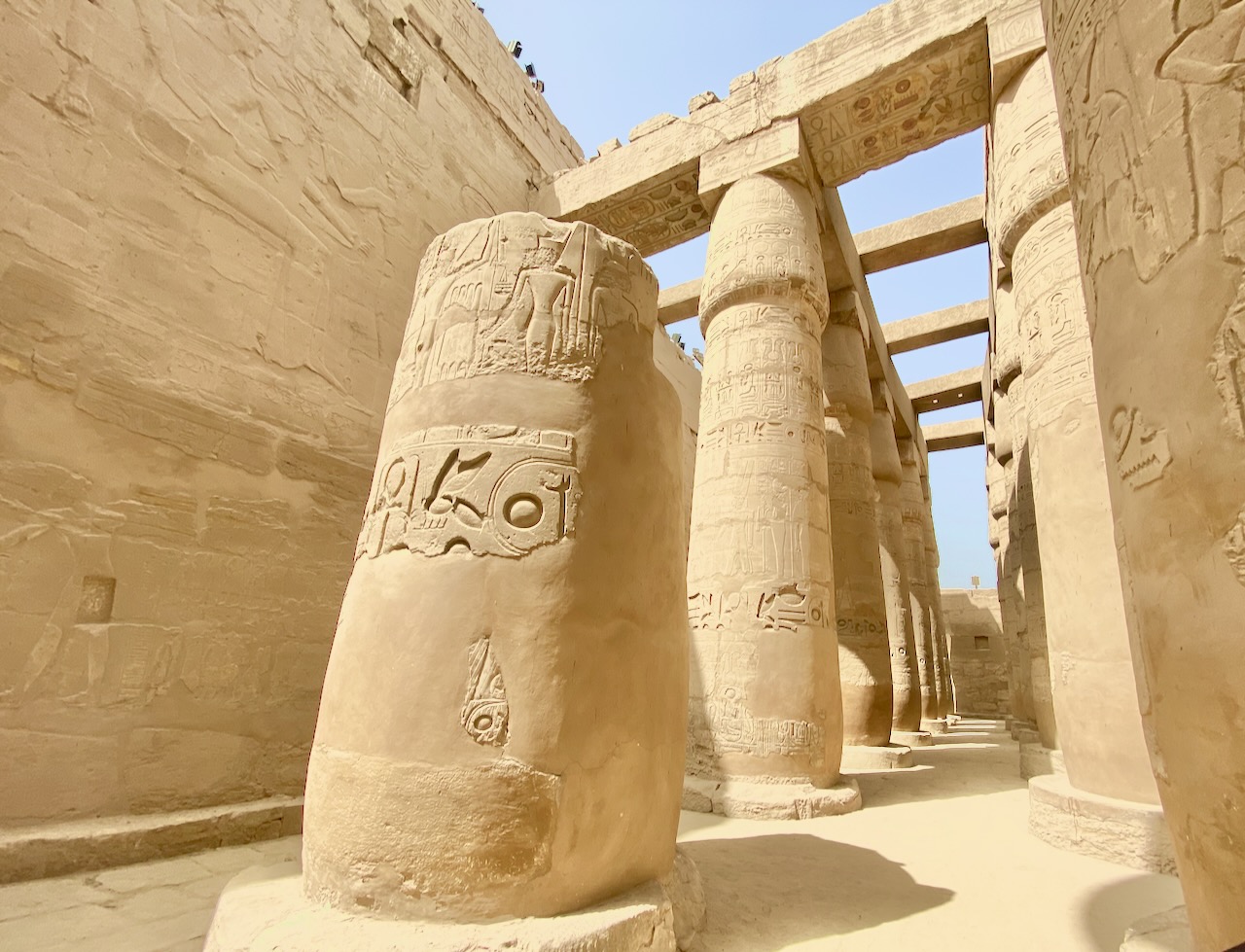
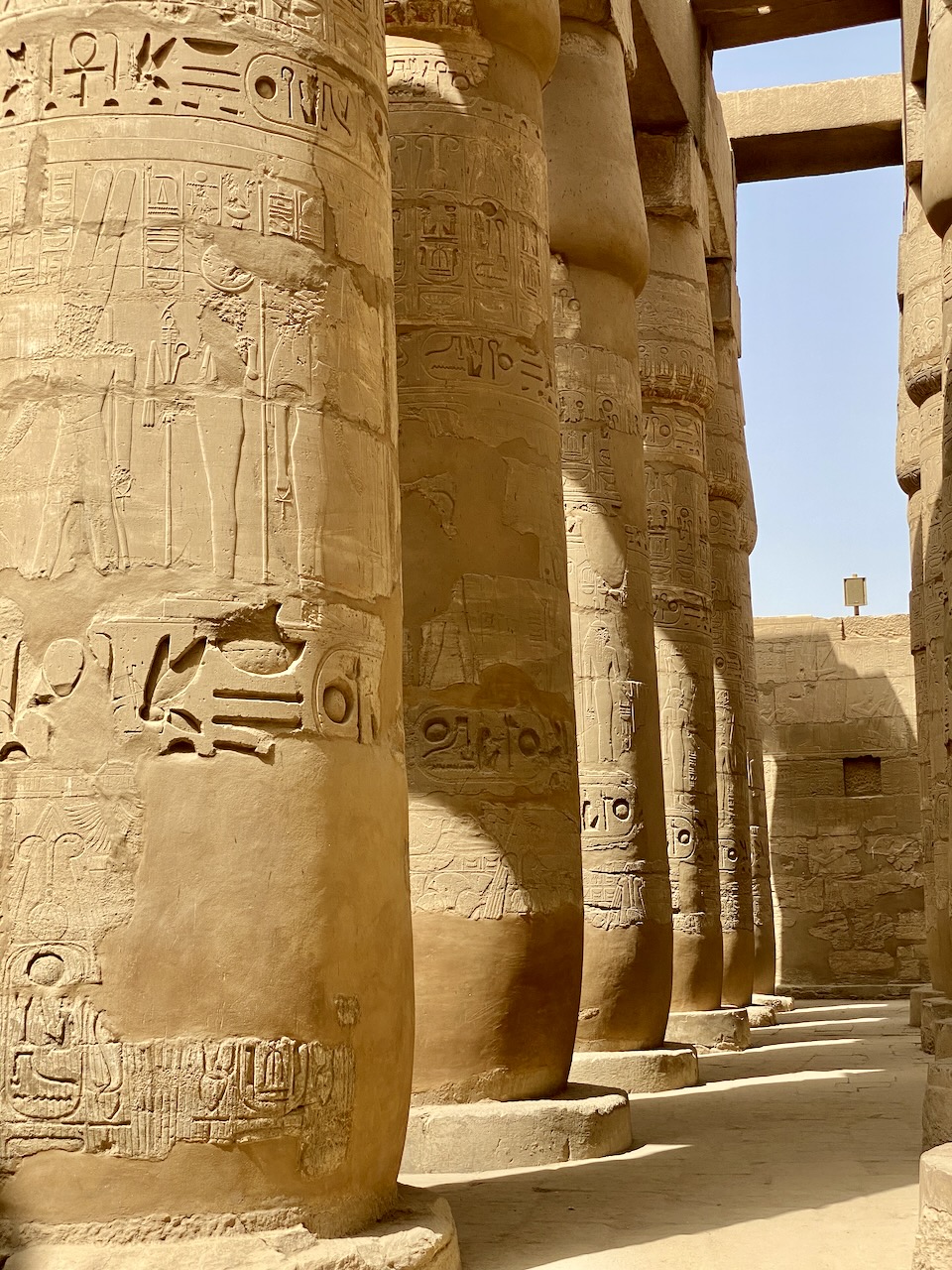
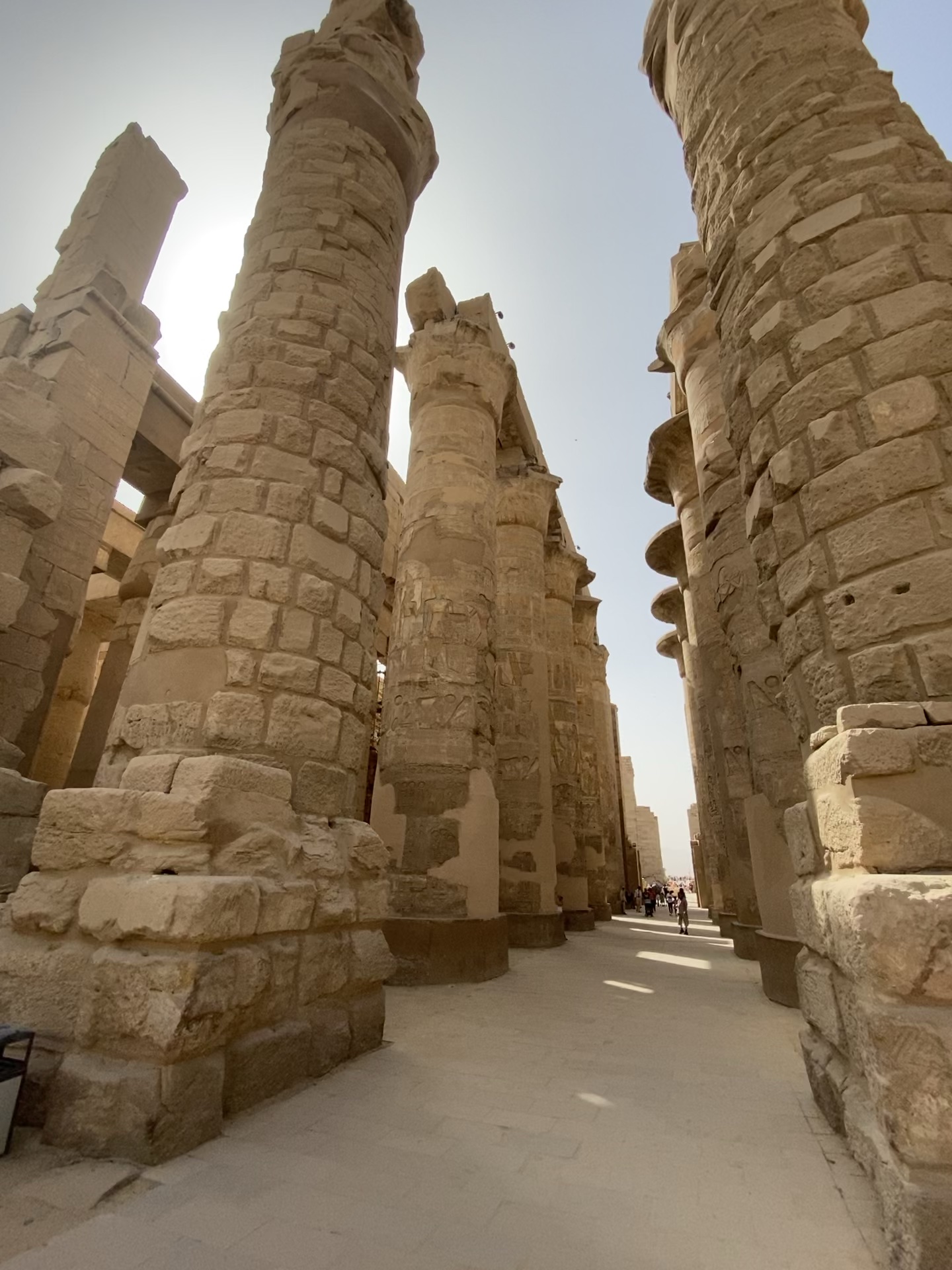
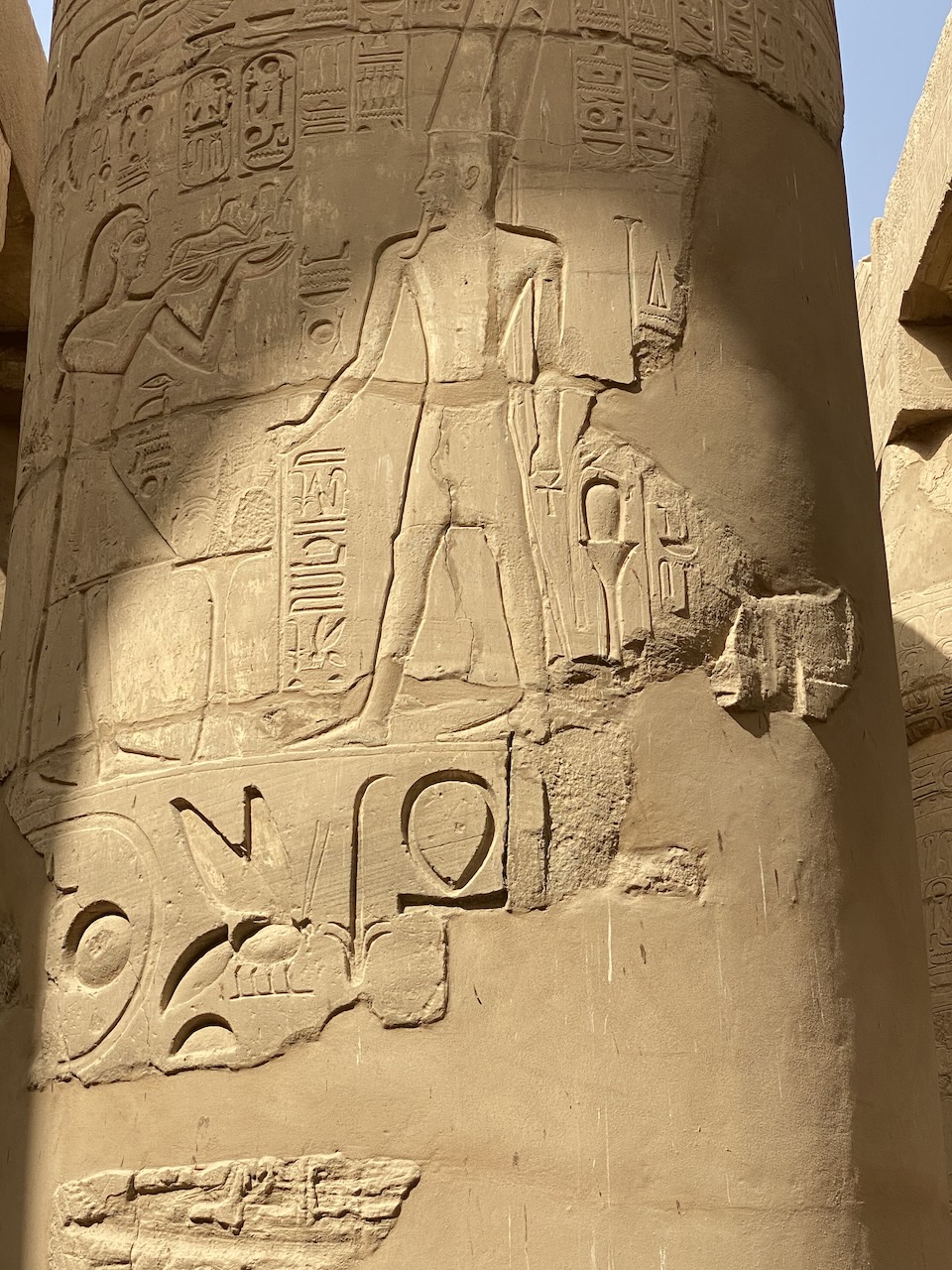
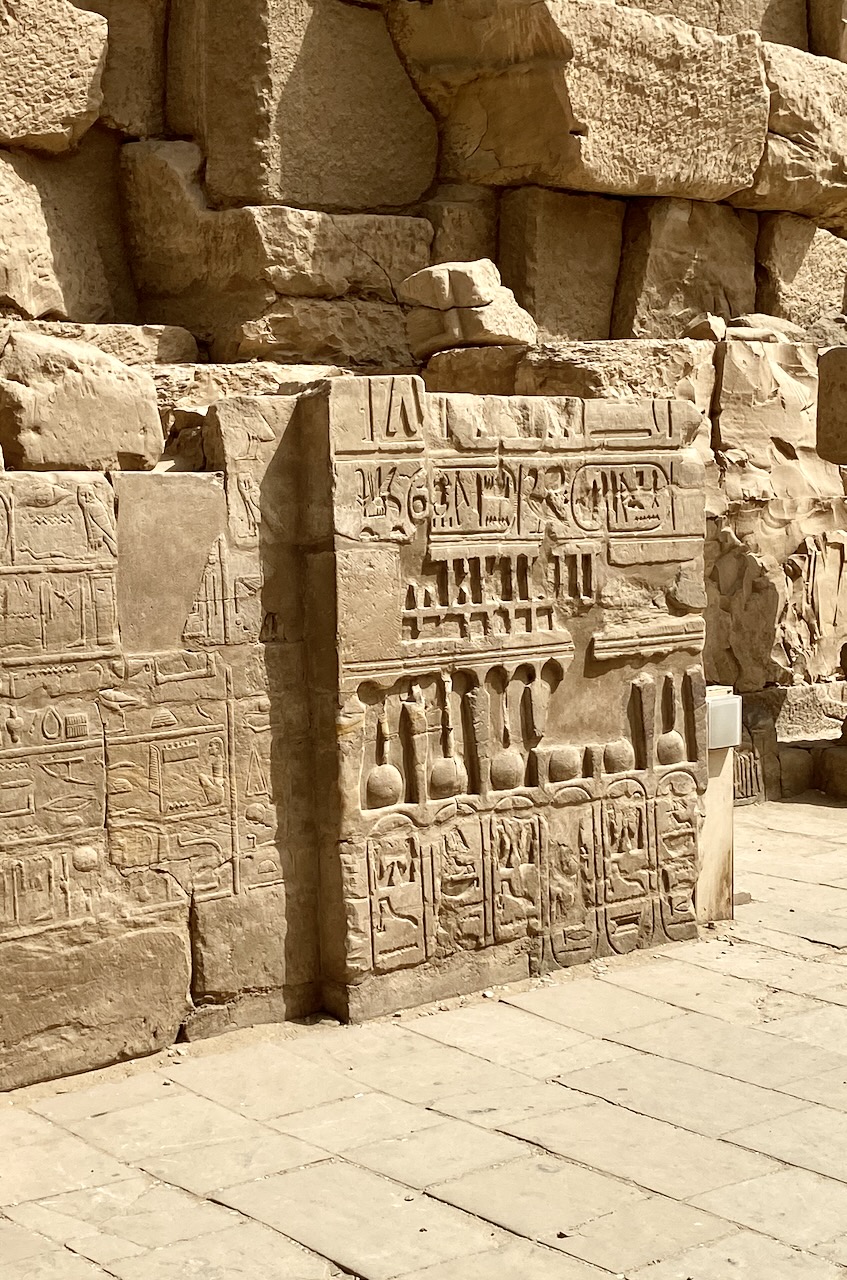
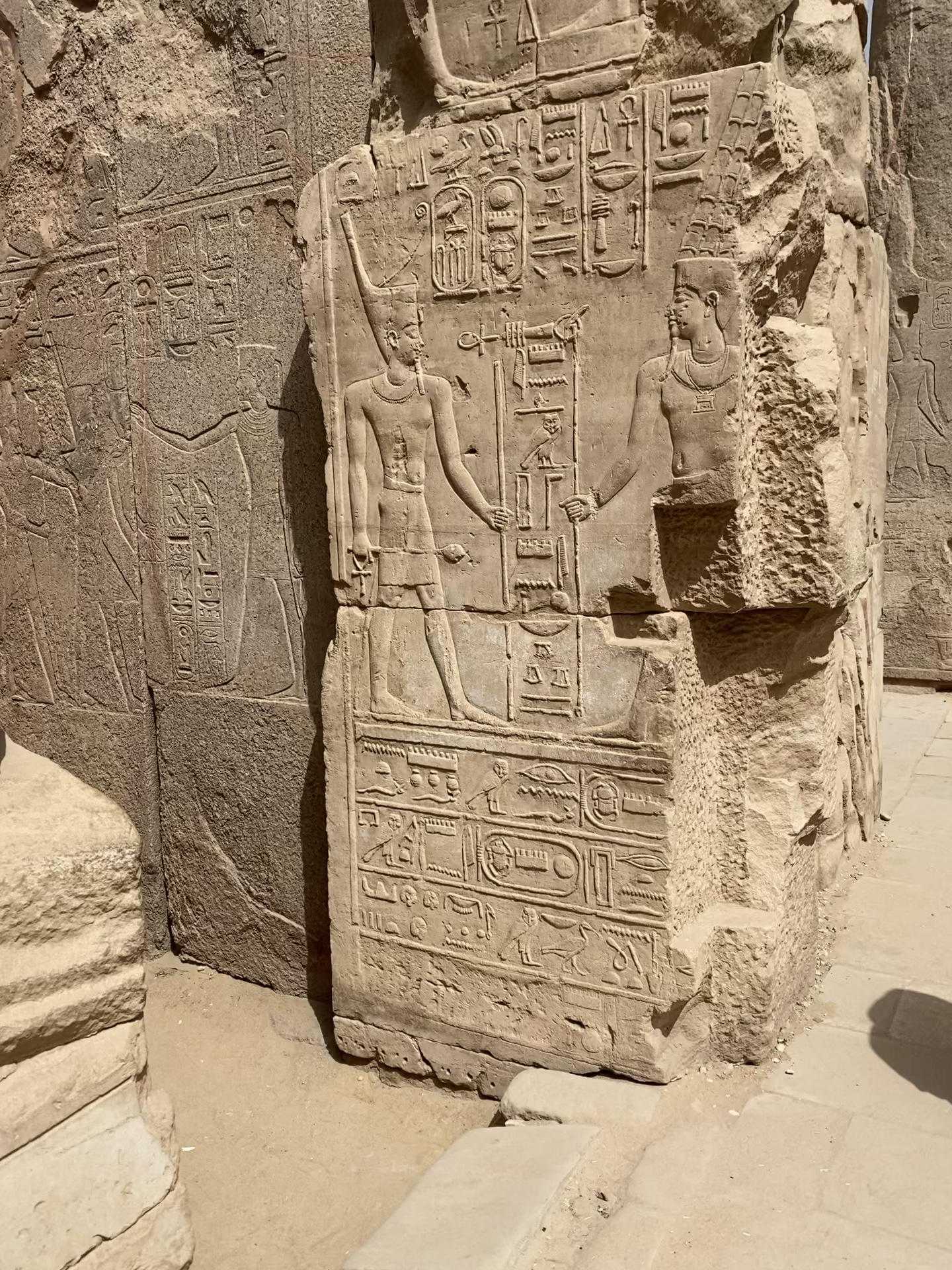
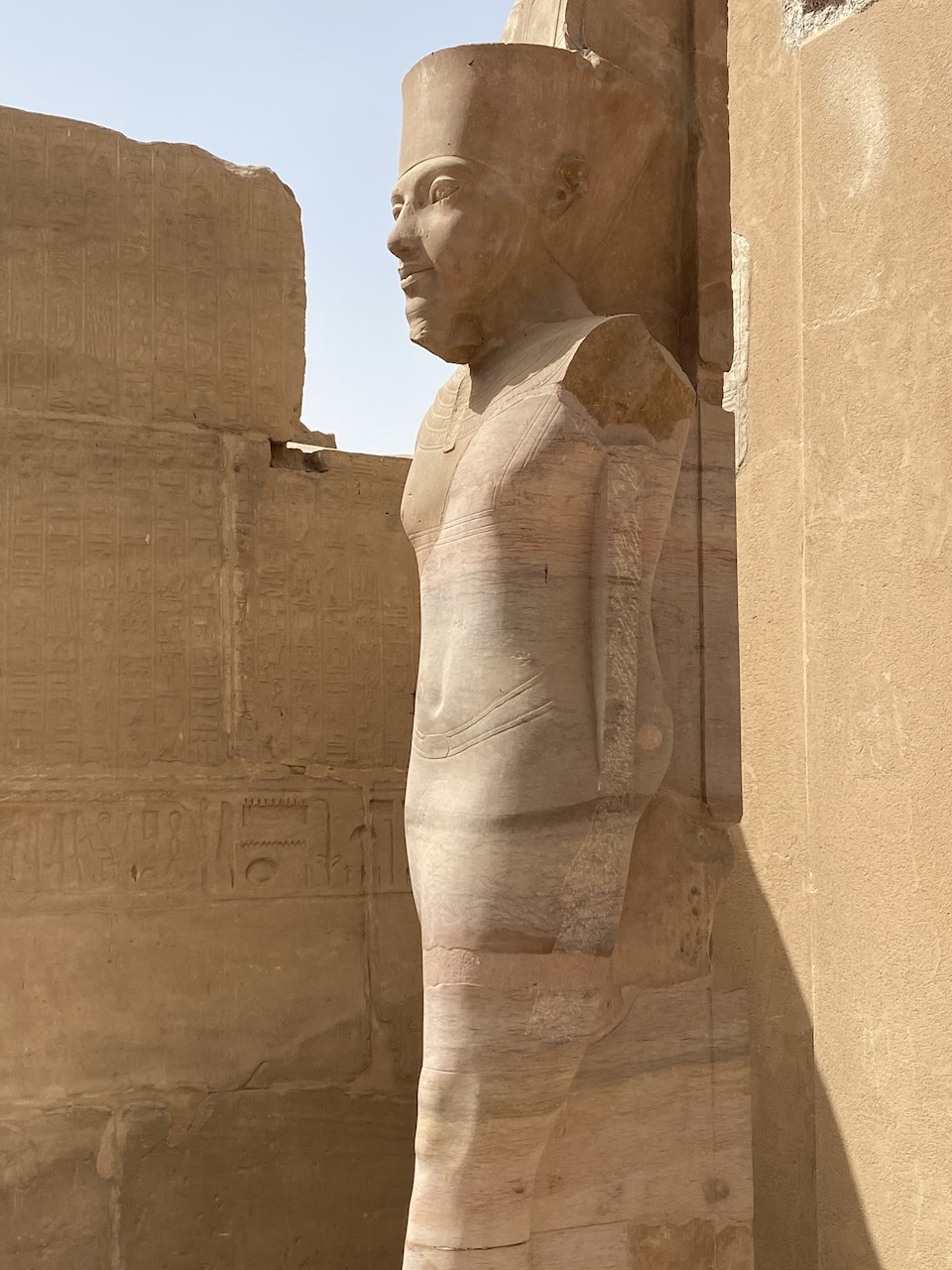
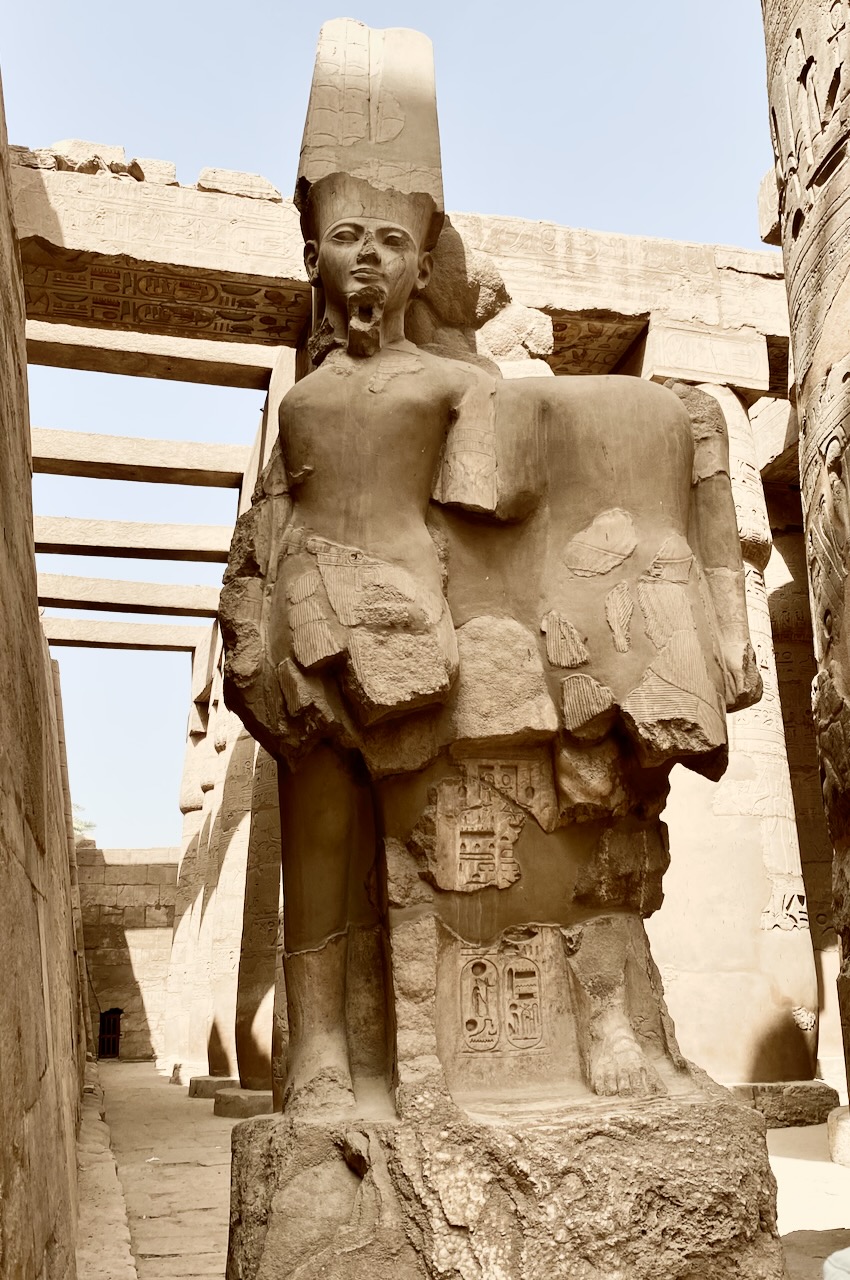
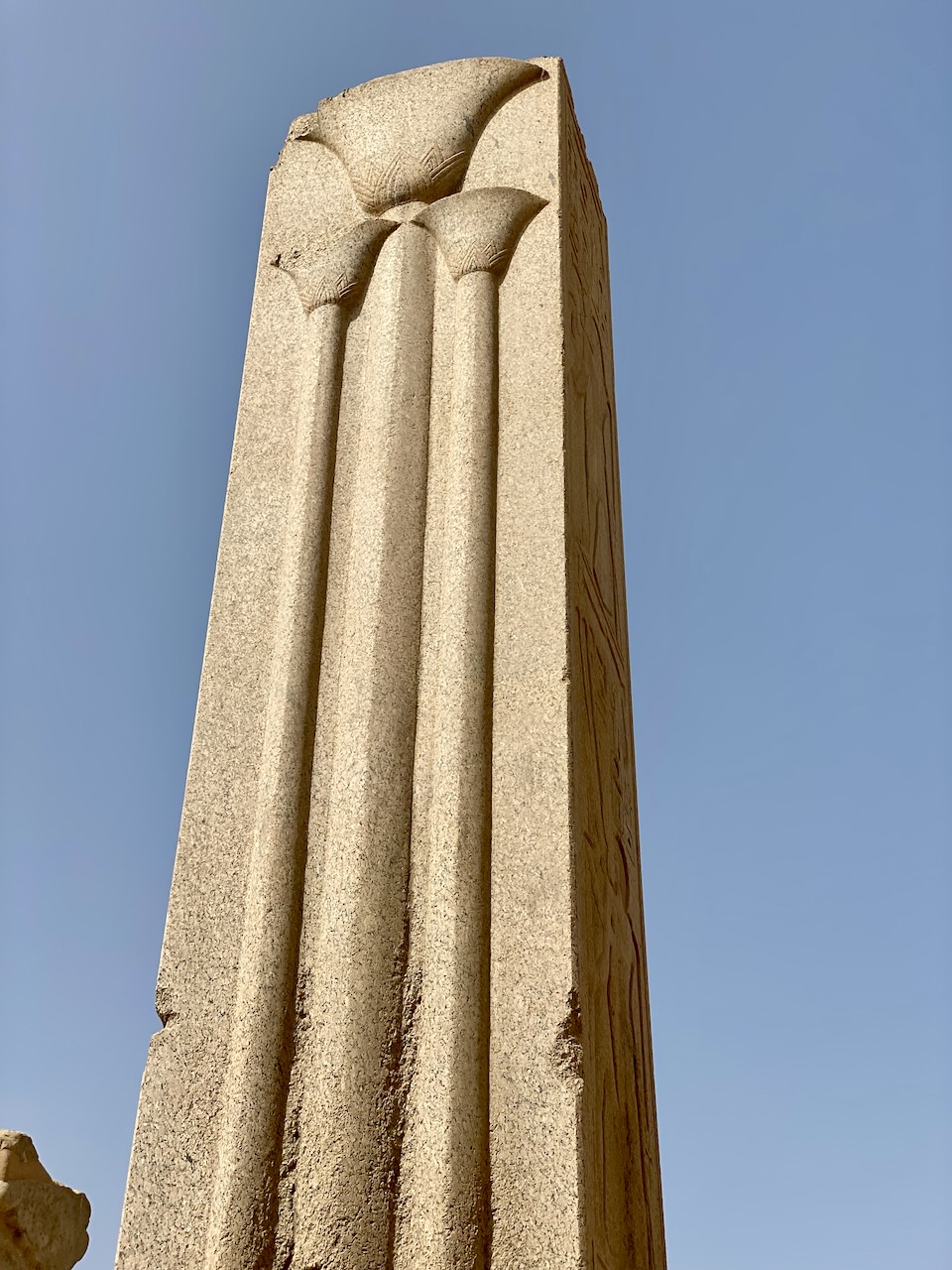
Only a quarter of the original temple complex is open to the public, which is represented in my photos. (The rest is either being renovated or still in ruins.) It is astounding to consider that some of these columns, statures, and stone carvings have survived for over four thousand years. There are one hundred and forty surviving columns, most of them containing hieroglyphics and artworks etched in stone. Indeed, the marble columns which weigh many tons were transported from a distant mining area to Karnak for many miles on multiple boats lashed together and floated down the Nile River, which flows just in front of the temple complex. The combined efforts over the centuries to produce the Karnak Temple are unimaginable. Greece's famous Parthenon on the Acropolis would be a minor part of the huge temple complex if it were to somehow be incorporated as part of Karnak.
We don't know all the details of which parts of Karnak were built by which pharaoh. We don't know how many laborers were necessary over the many centuries that Karnak was expanded. Just like the pyramids, Egypt's most famous ancient site, many details of ancient Egyptian culture can only be discerned by studying the artworks and hieroglyphics, which were untranslated until the discovery of the Rosetta Stone, which enabled translation for the first time. There are over 700 different hieroglyphic pictographs found in the many stone carvings. Some are still a mystery. What is certain is that ancient Egyptian civilization along the Nile River (the world's longest river at over 4000 miles) is the oldest "great civilization" known to humankind. Egyptian civilization predates recorded history. The Karnak Temple, the pyramids, the sphinx, King Tut's tomb, and other sites stand out as the oldest and most impressive artifacts created by the first great civilization known to humankind.
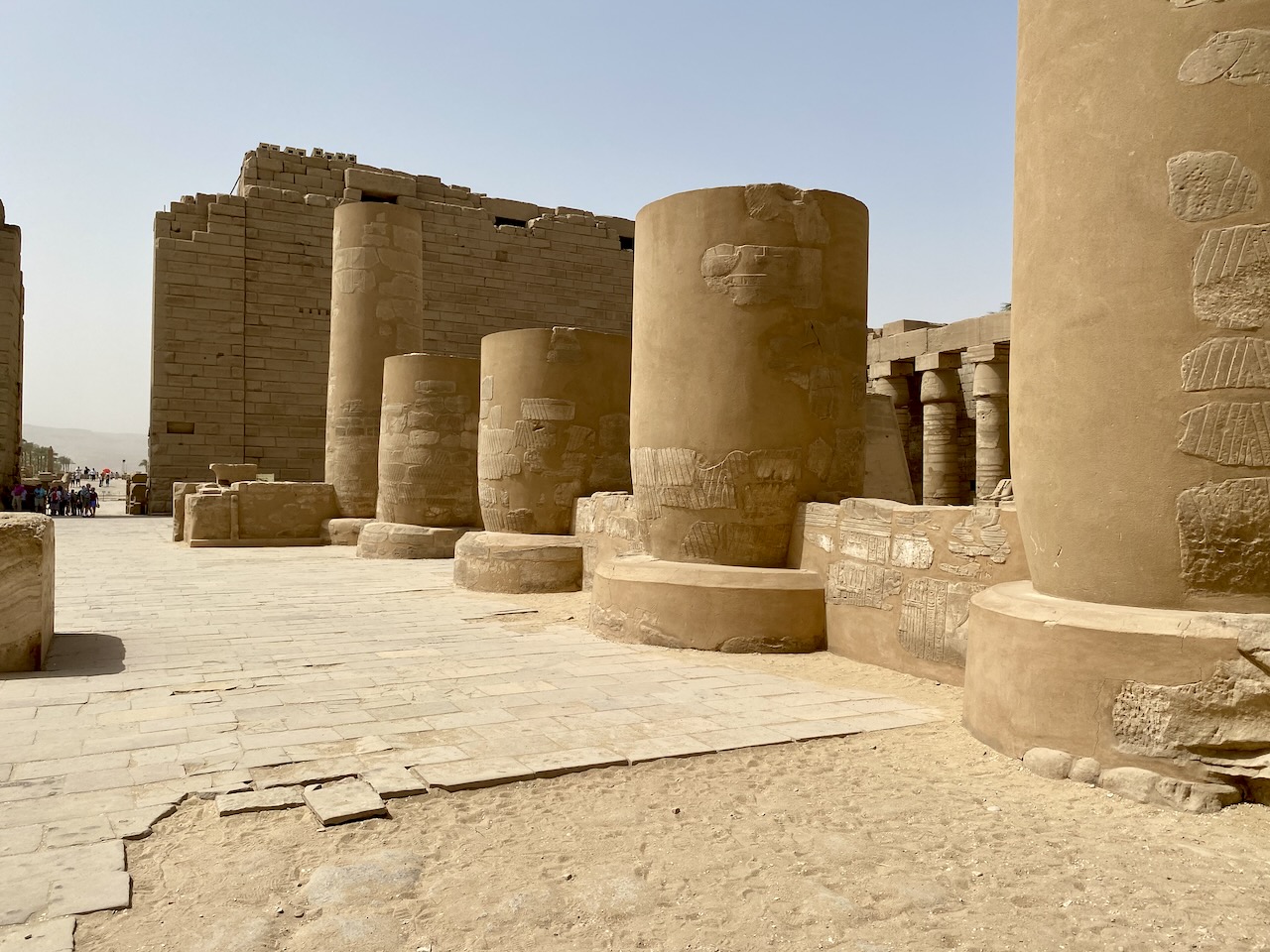
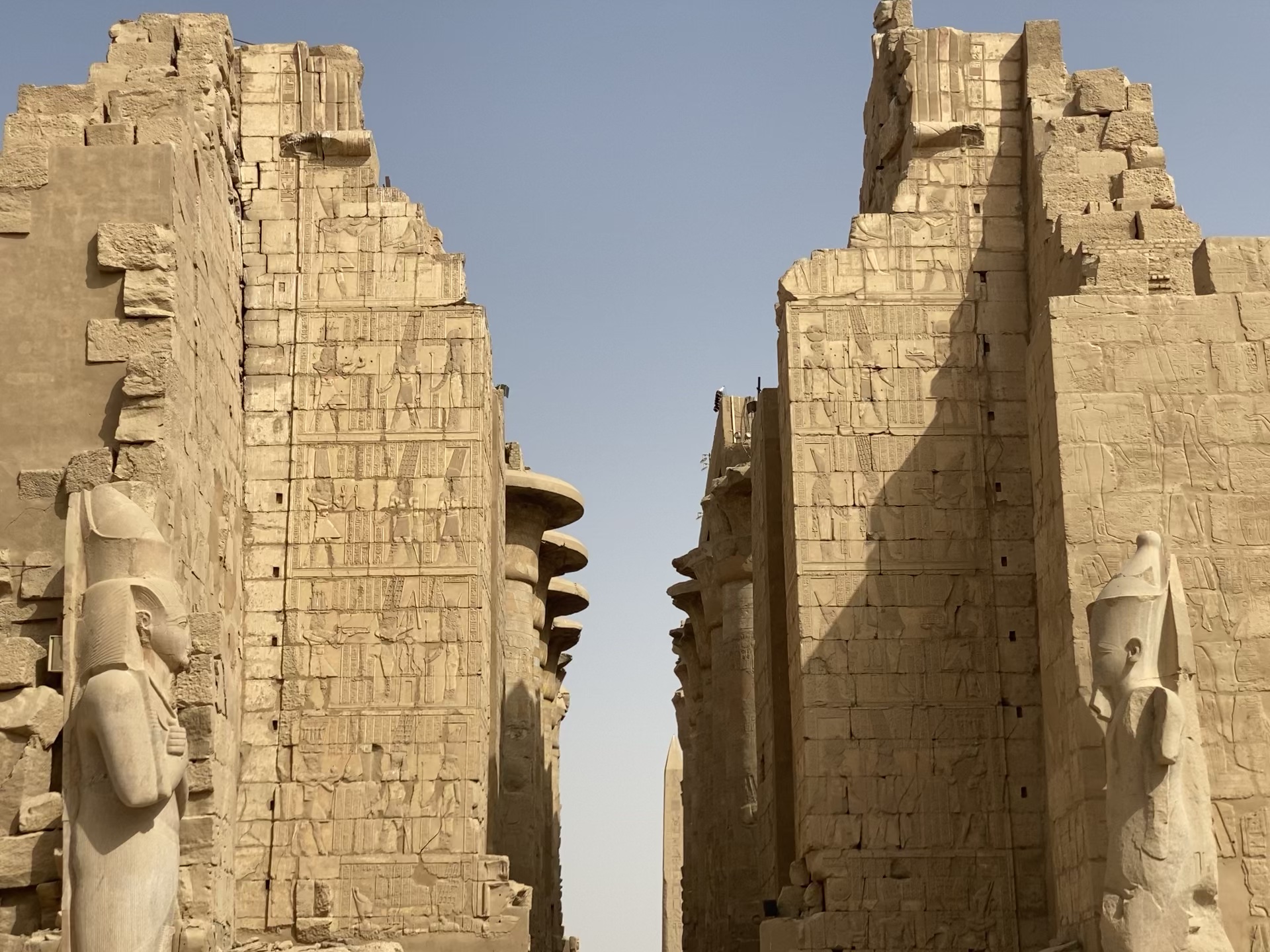
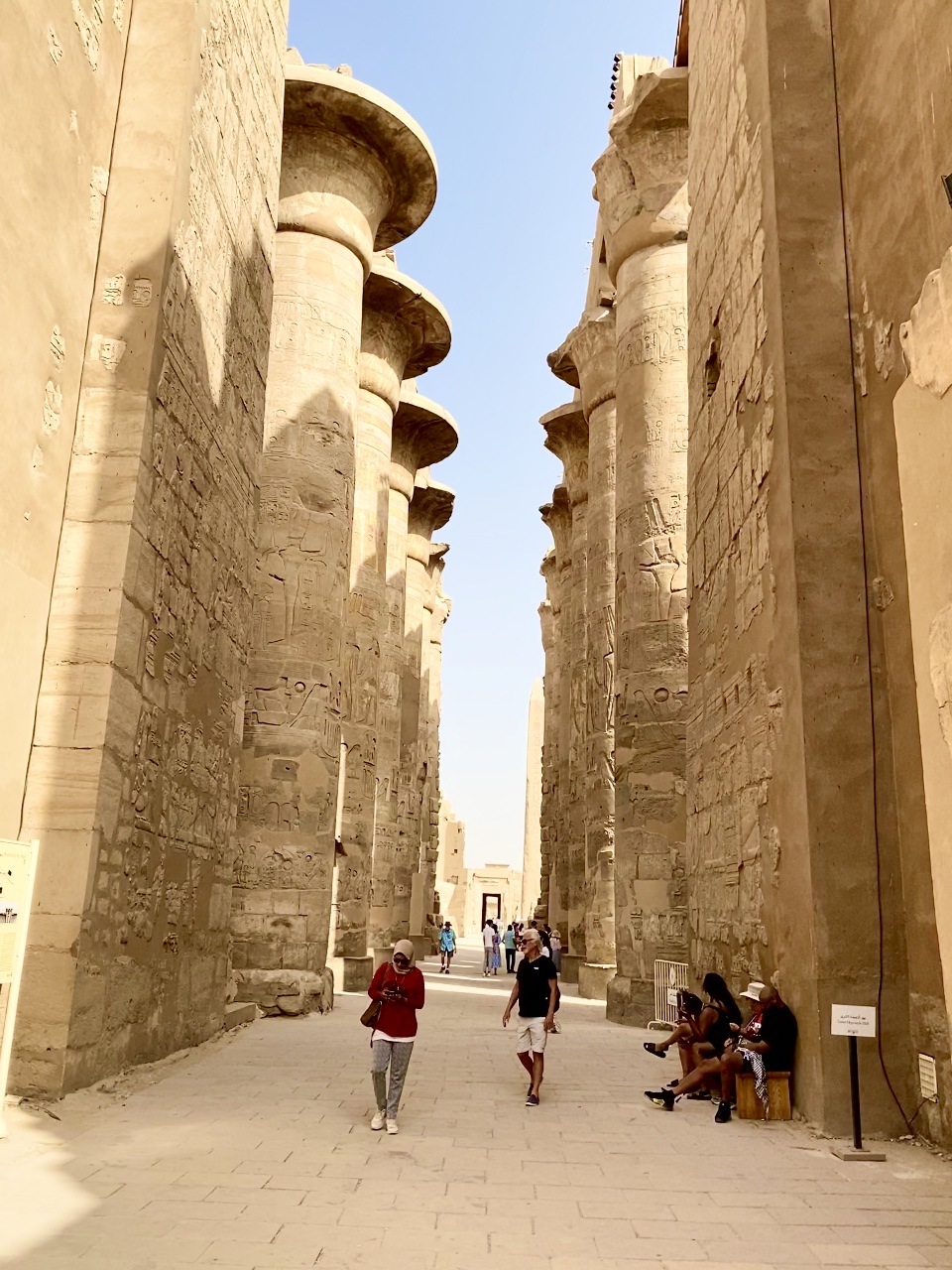
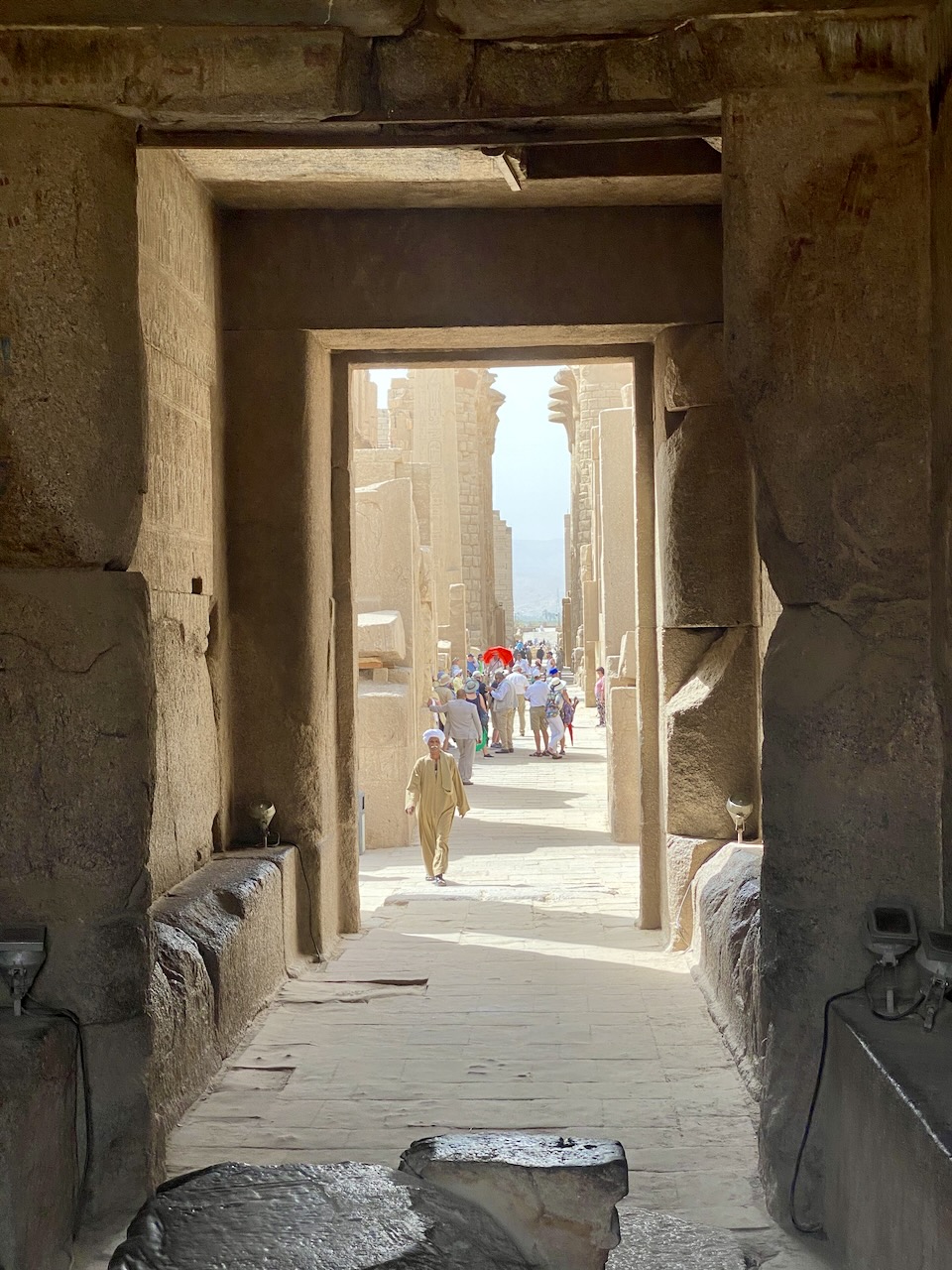
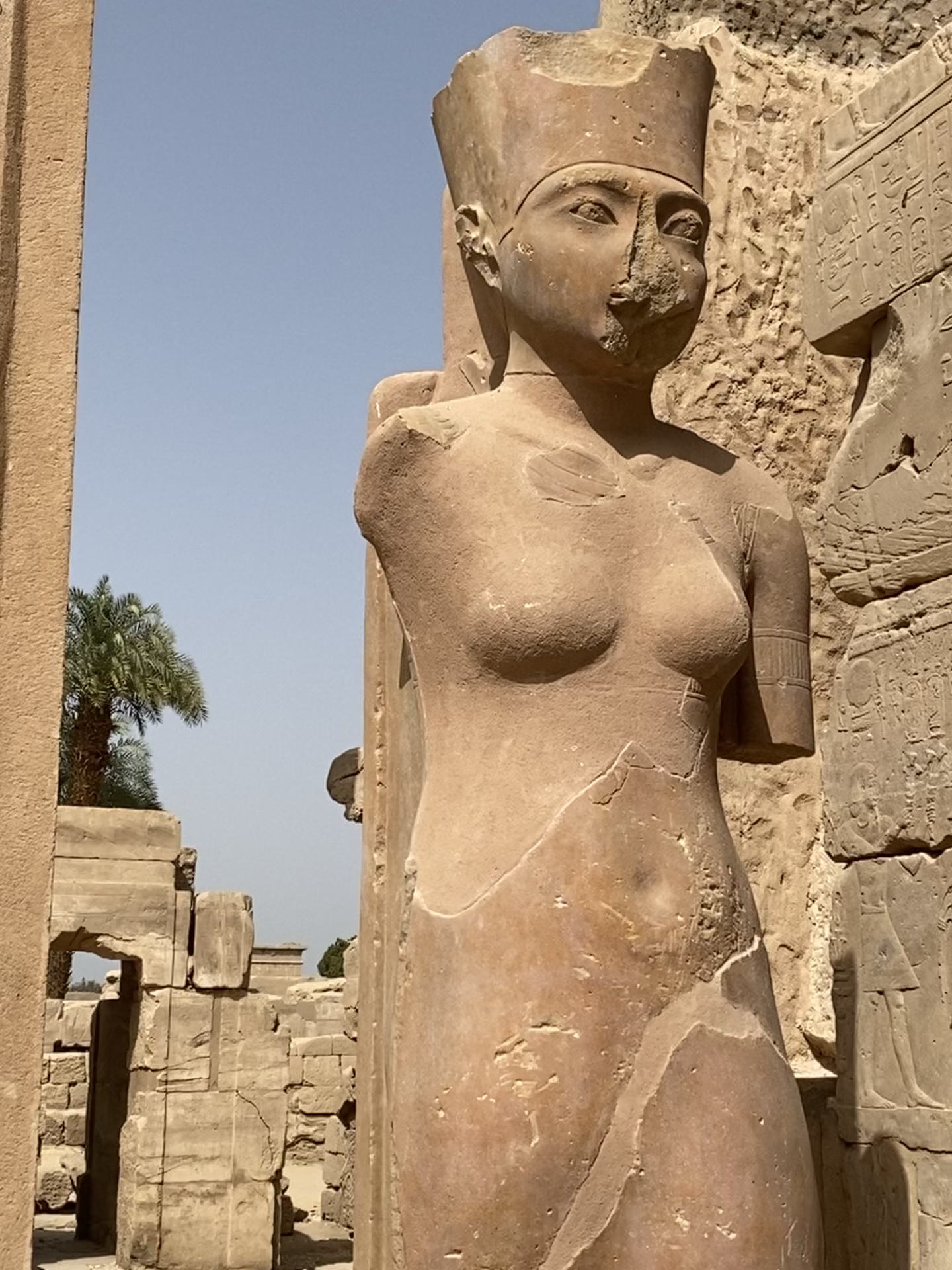
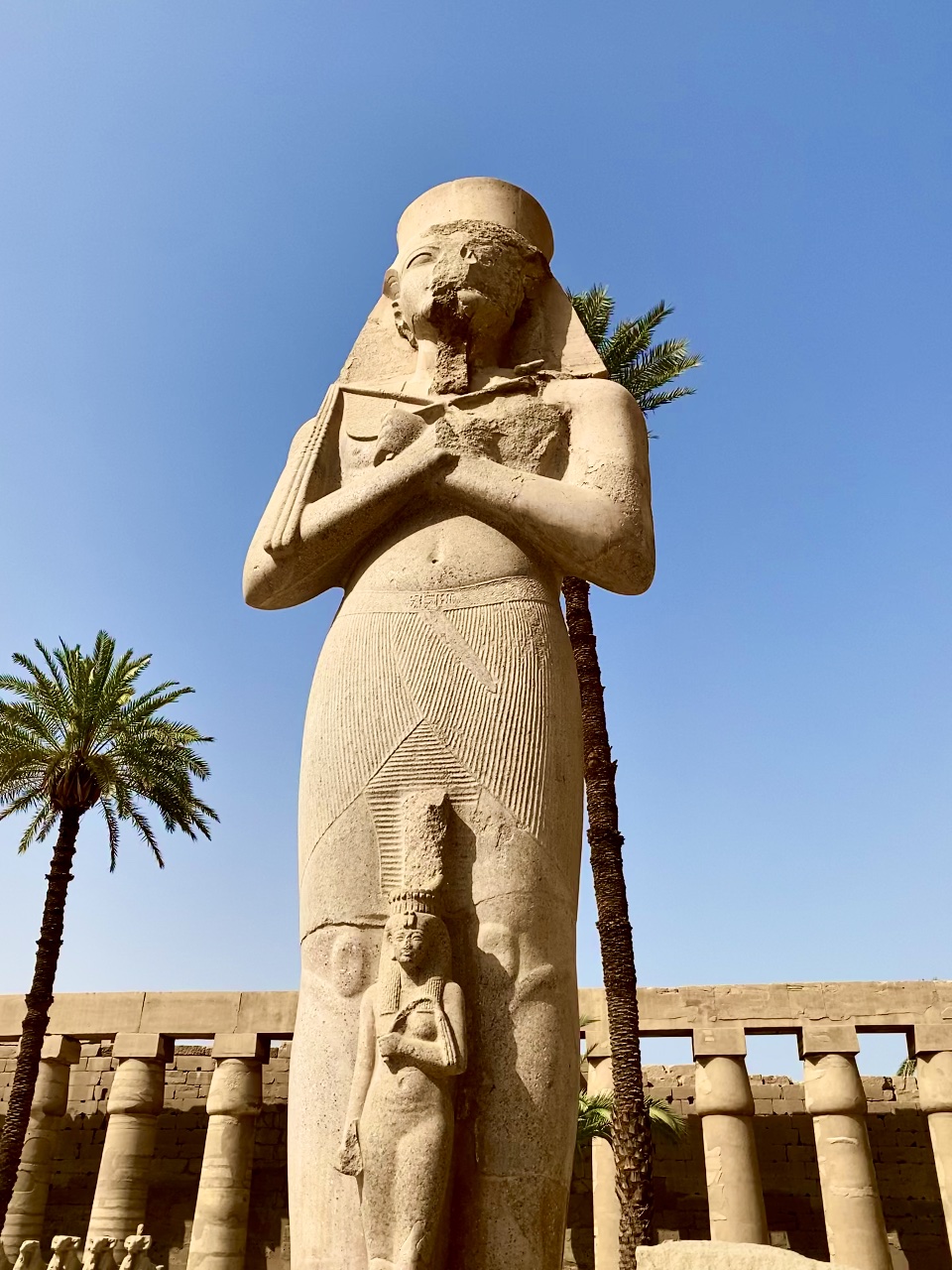
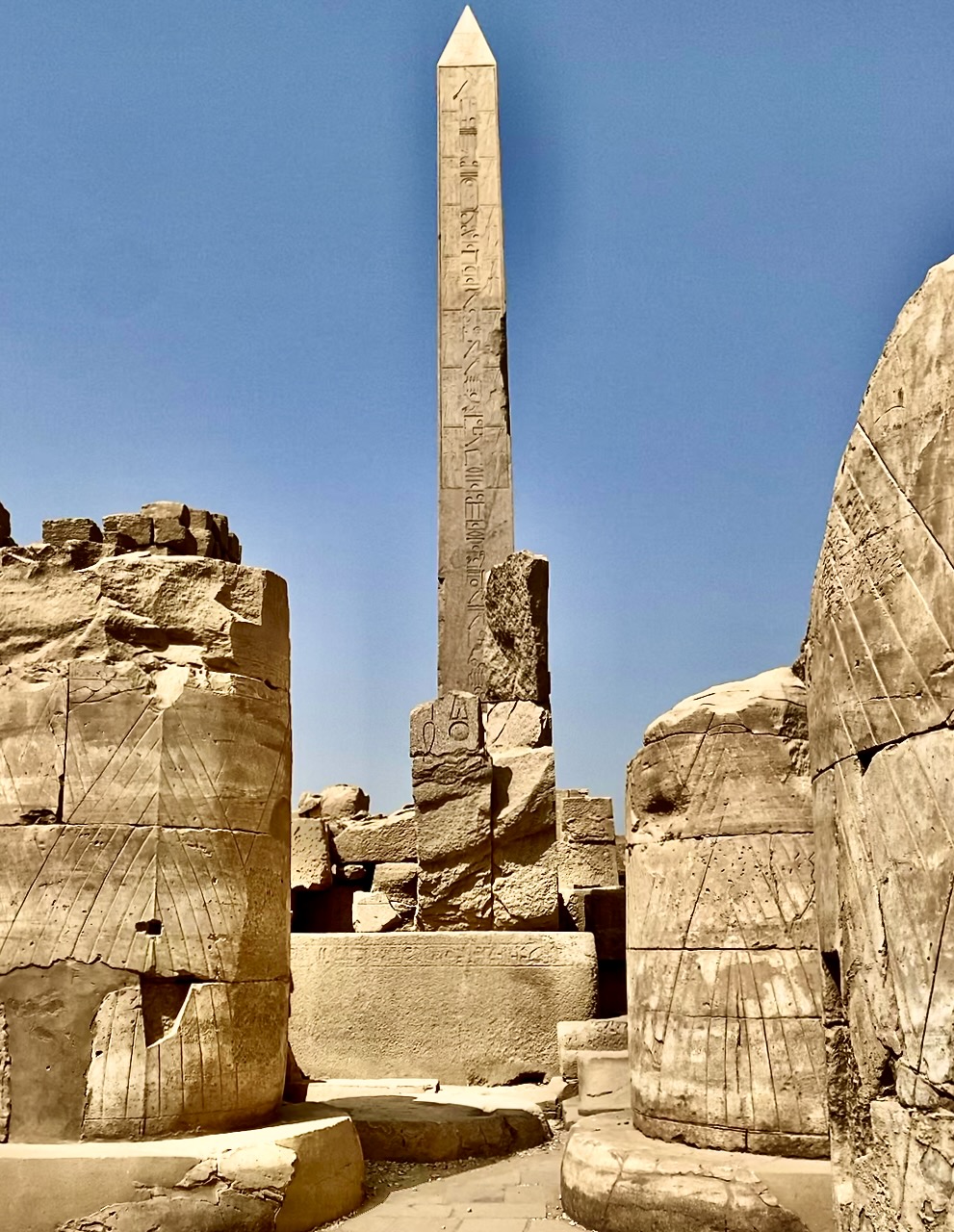
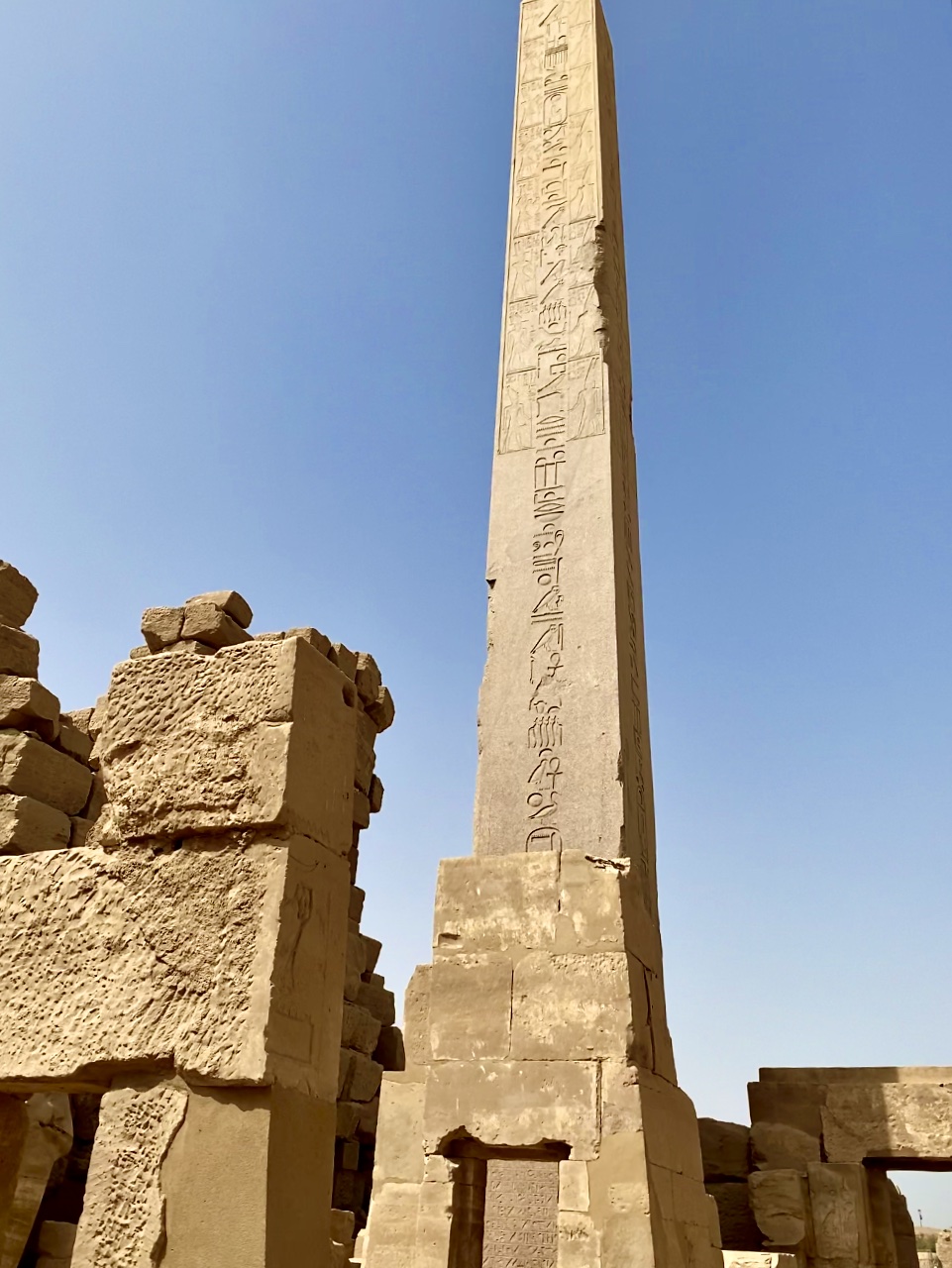
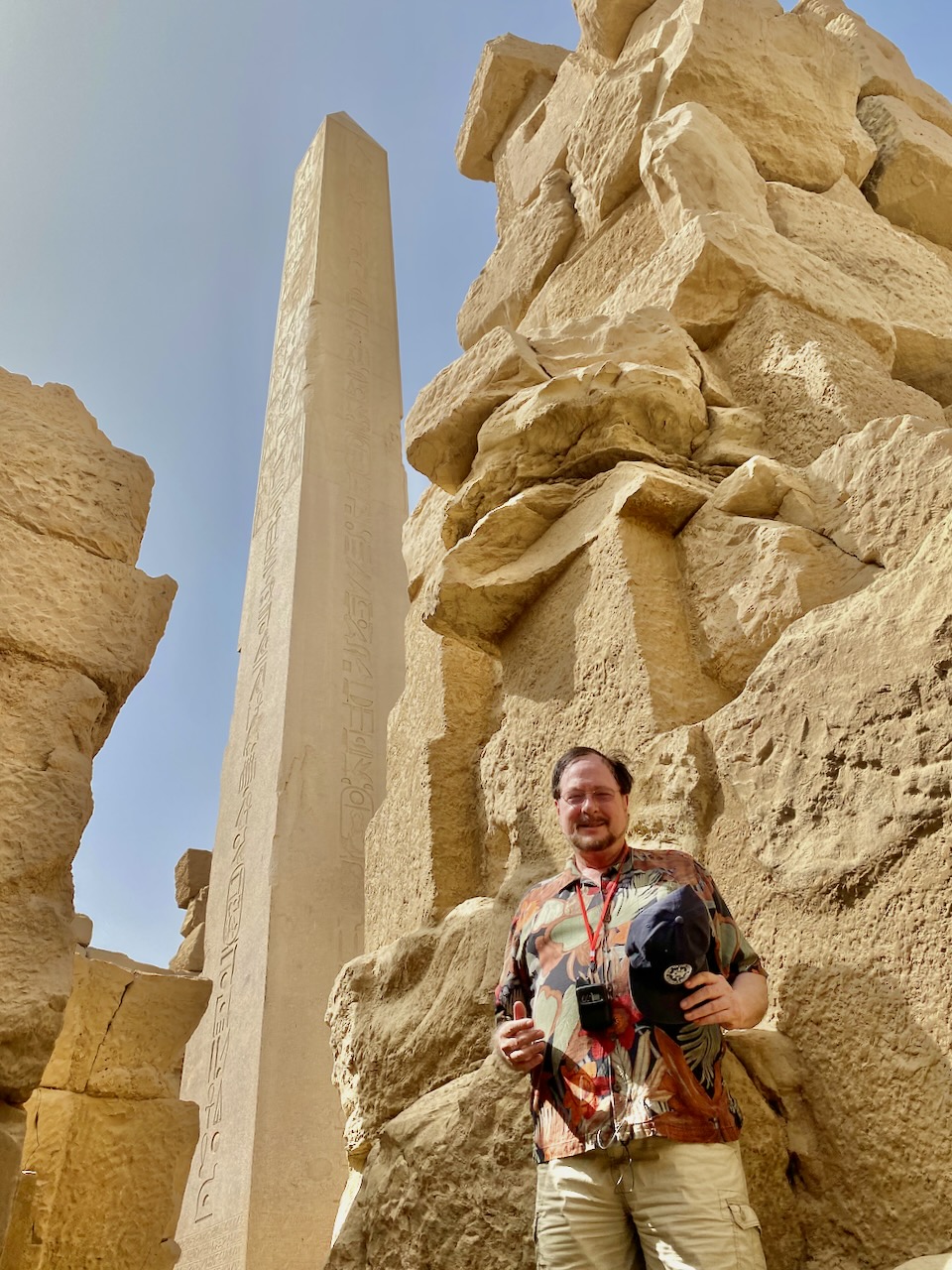
Let these photos below give you a lifelong mental image of the unrivaled grandeur of Karnak. The site is too grand to fit into any single camera image. I include a few photos showing other tourists just to provide a sense of scale as to the size of the columns. Otherwise, lacking a wide-angle lens, I simply focussed up to the tops of the temple columns, which originally supported a roof that we can only imagine. No artistic representations exist of the original structures.


6 Comments on Karnak Temple
Join the Conversation