Jordan: Wadi Rum & Handicraft Photos
World Cruise, April 2022
It was with pleasure that Susan and I visited Aqaba, Jordan, for approximately the eighth time. We previously (pre-Covid) attended the yearly conference of Middle East Nurses United in Human Caring. This conference was started by nursing-scholar-theorist-author-teacher Dr. Jean Watson, whose work focusses on nursing as a force for world peace. The Middle East especially needs her work.
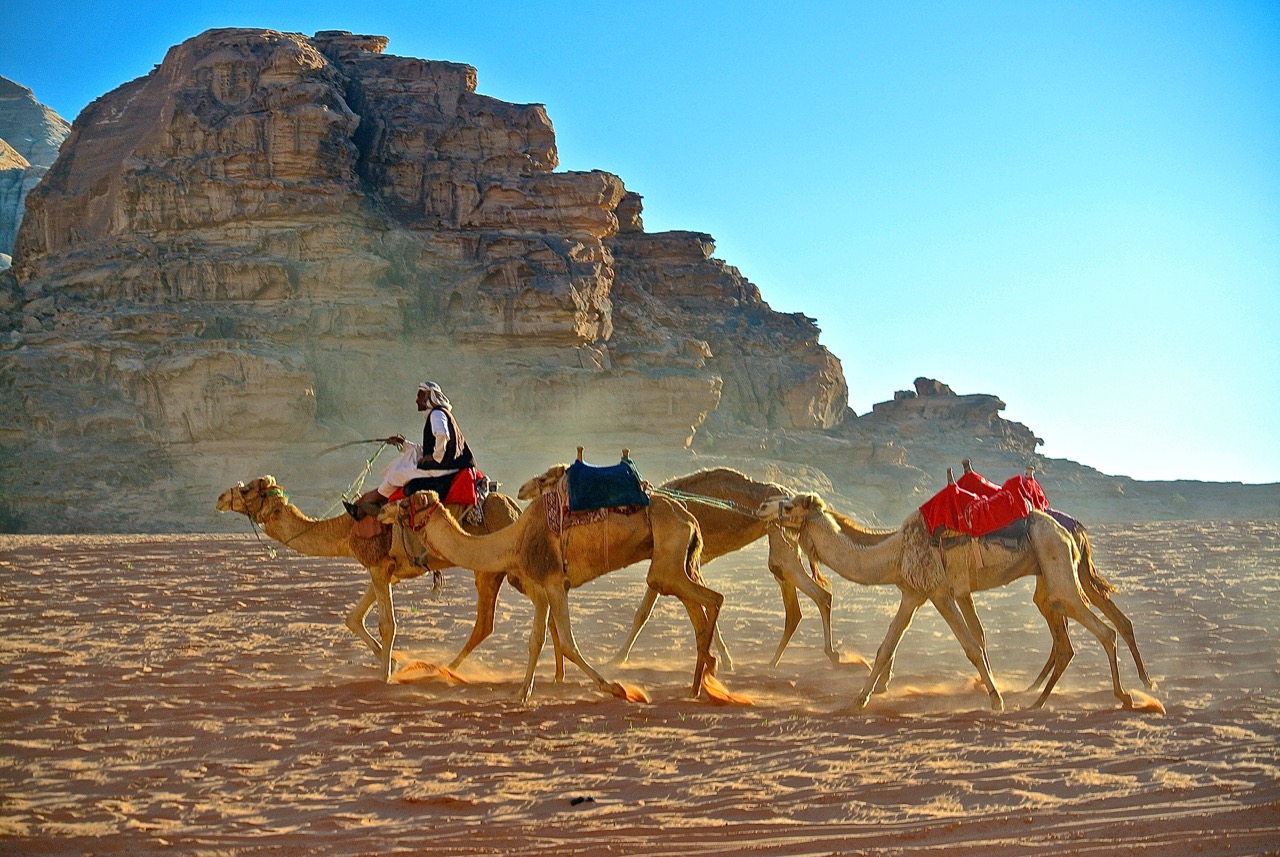
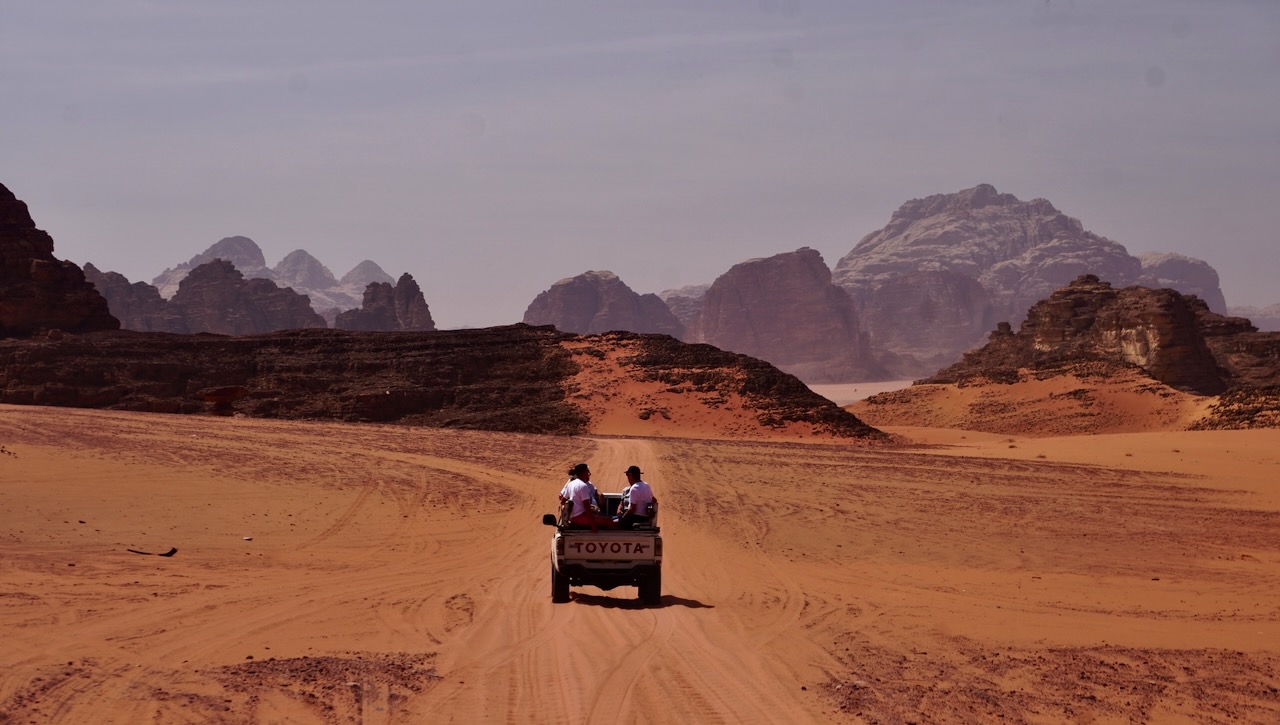
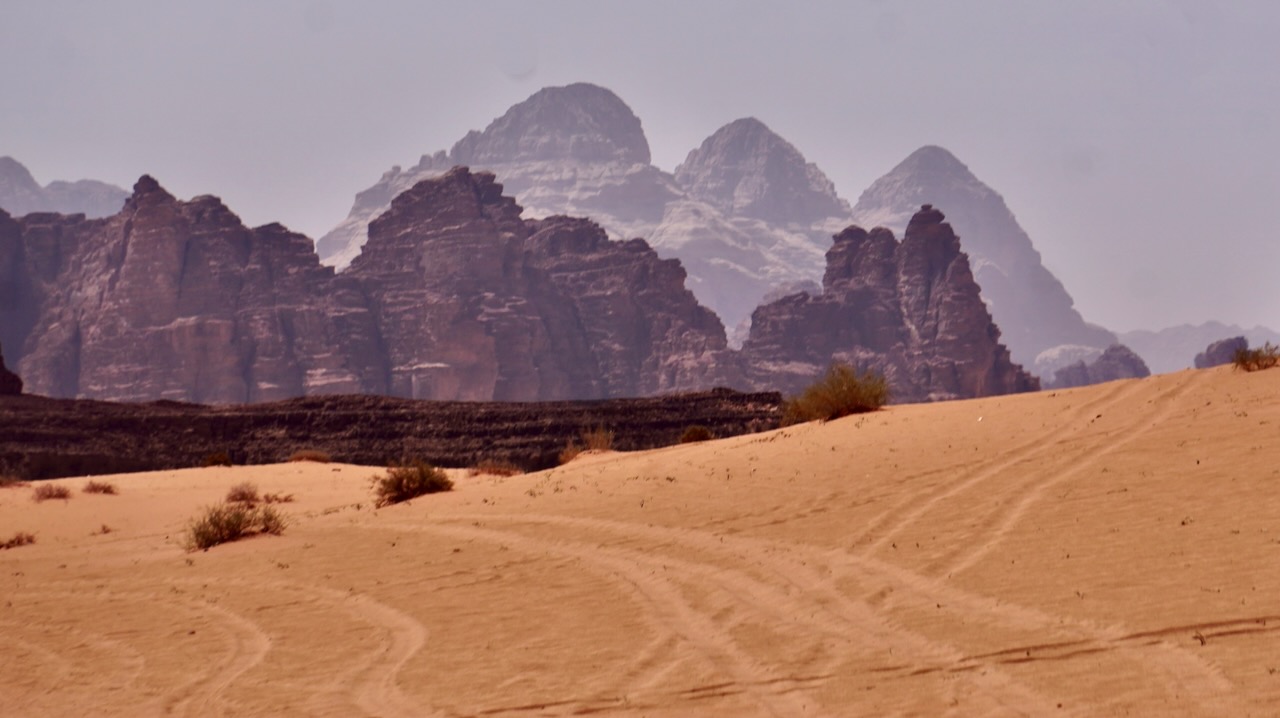
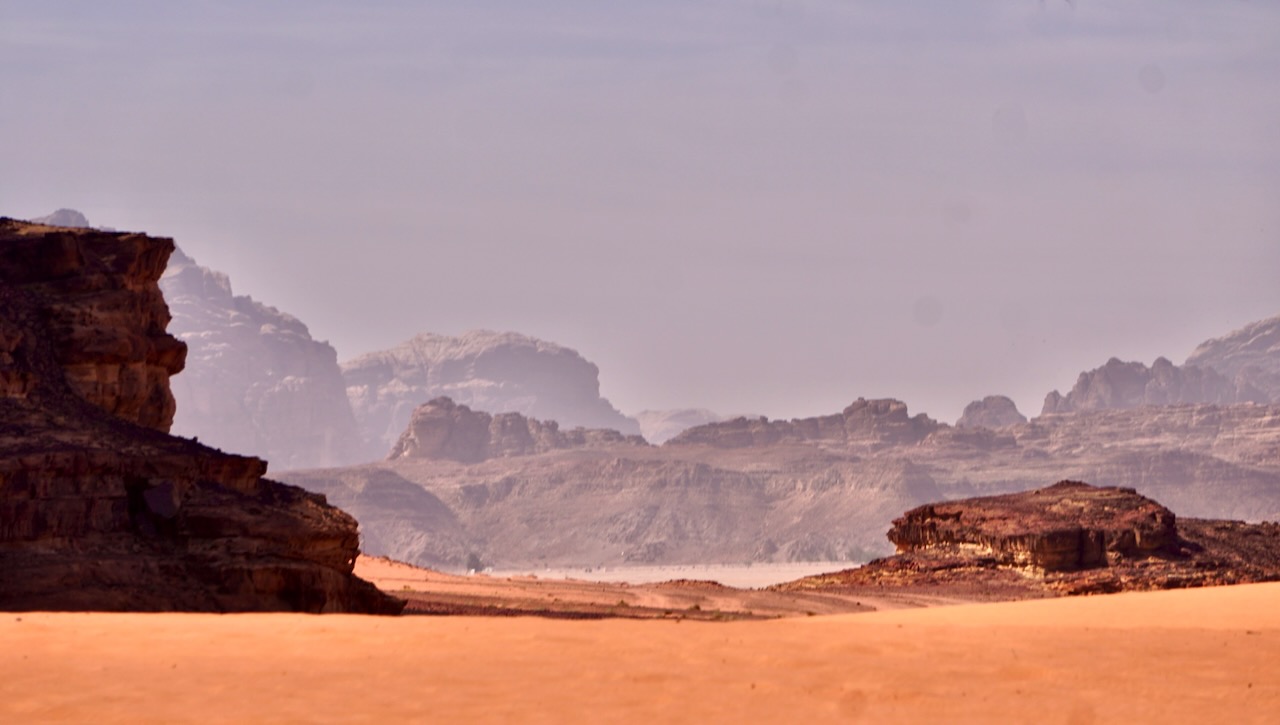
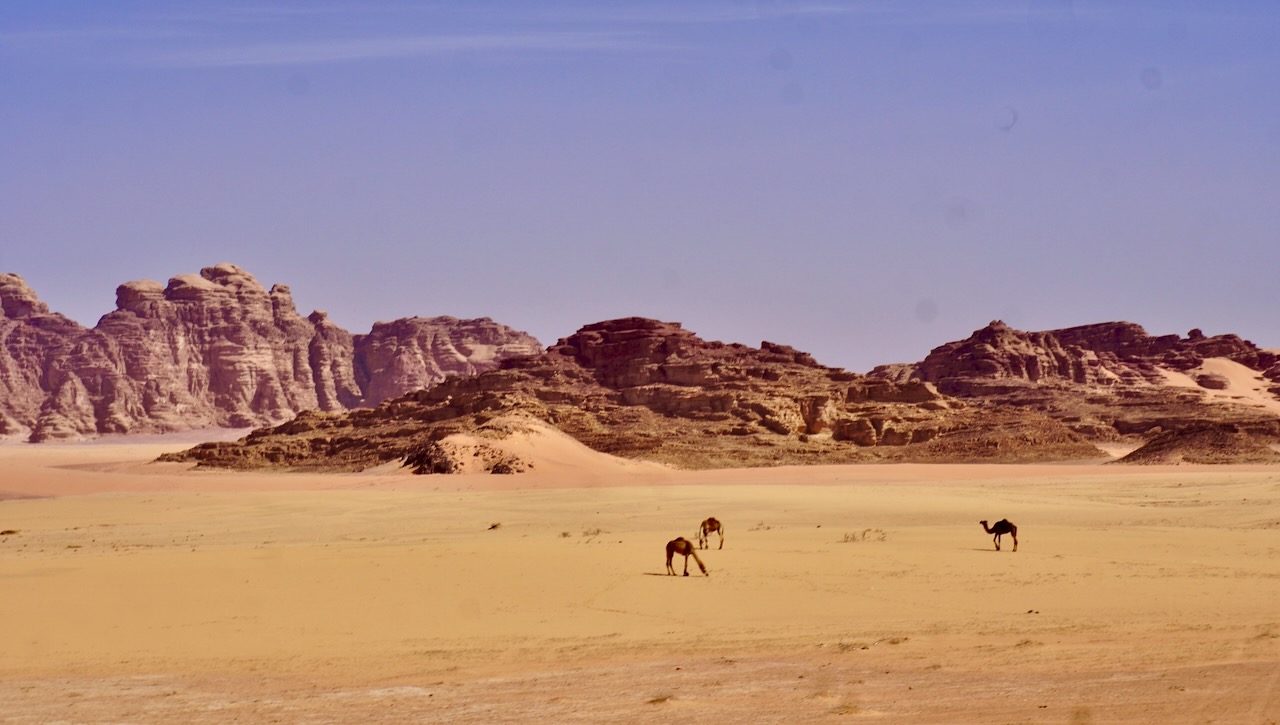
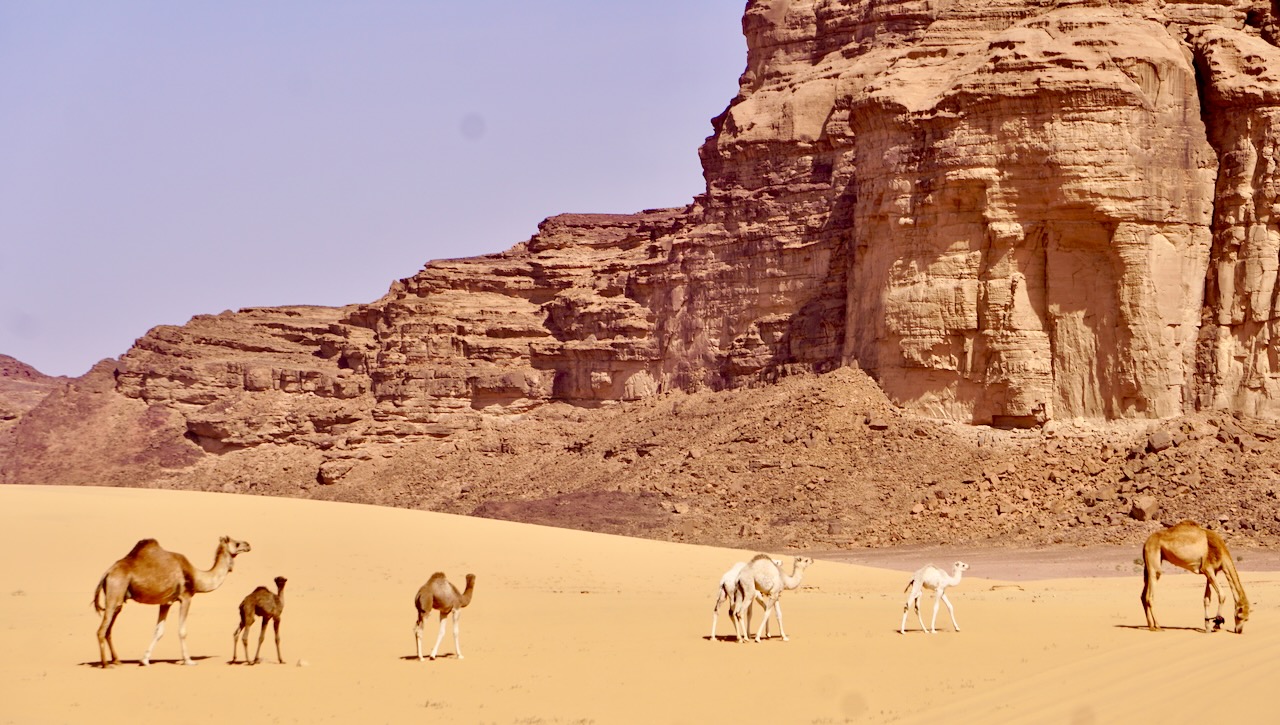
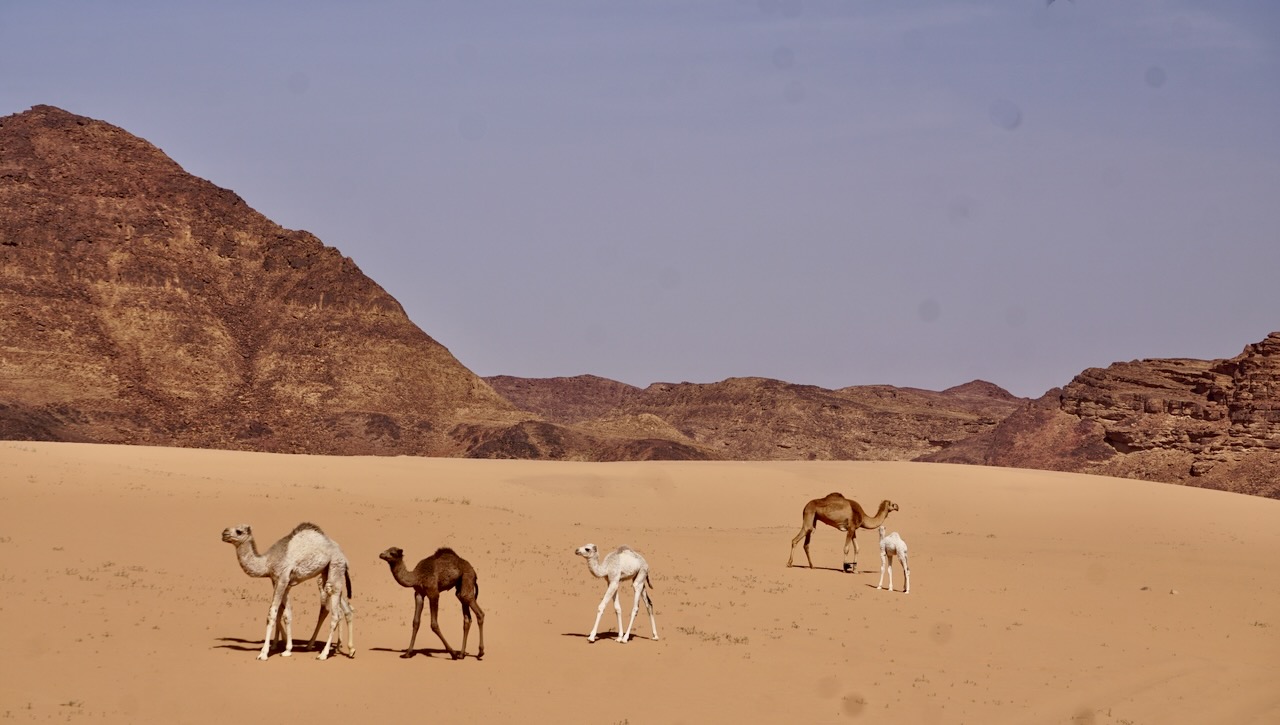
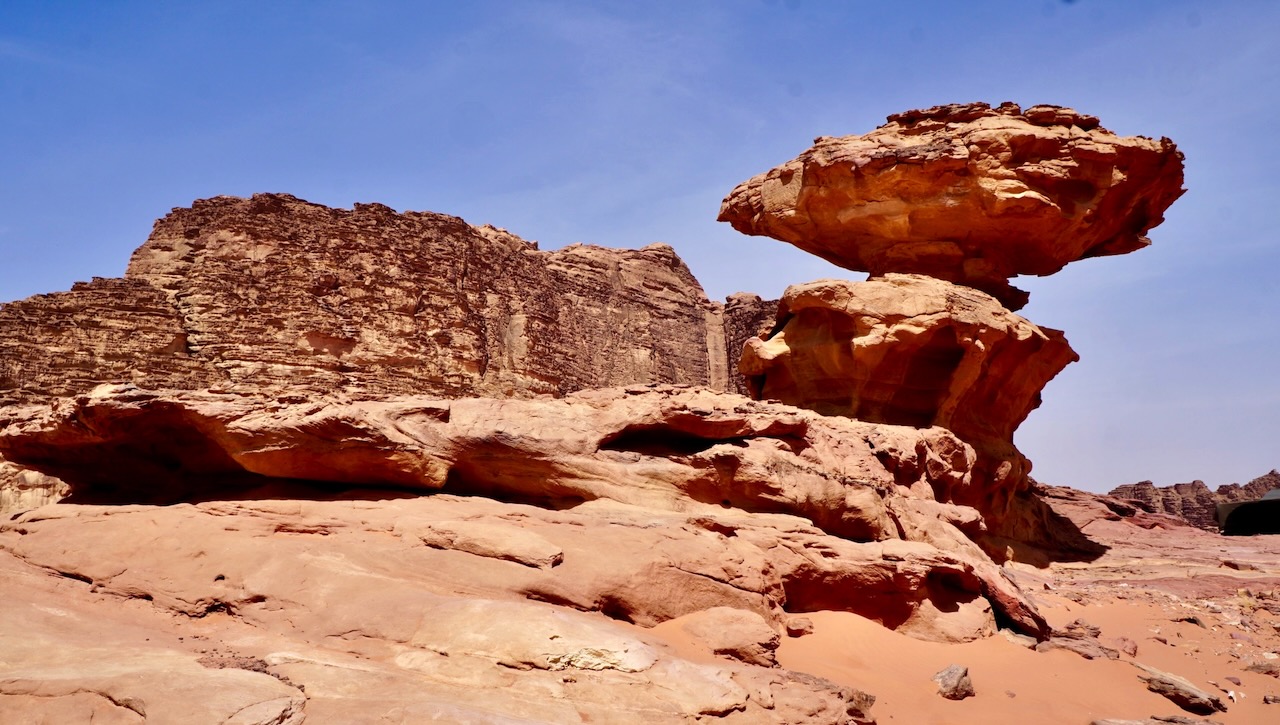
Below are photos from the incredible desert landscapes of Wadi Rum, the huge desert area located about a ninety minute drive from Aqaba. It is our third visit to Wadi Rum, once again arranged by our Jordanian friend, Mazen. We experience something new every time we enter Wadi Rum. The landscapes are too large and impressive to fit in any photo. Wadi Rum is the landscape used in the hit movie The Martian (starring Matt Damon) and countless other movies.



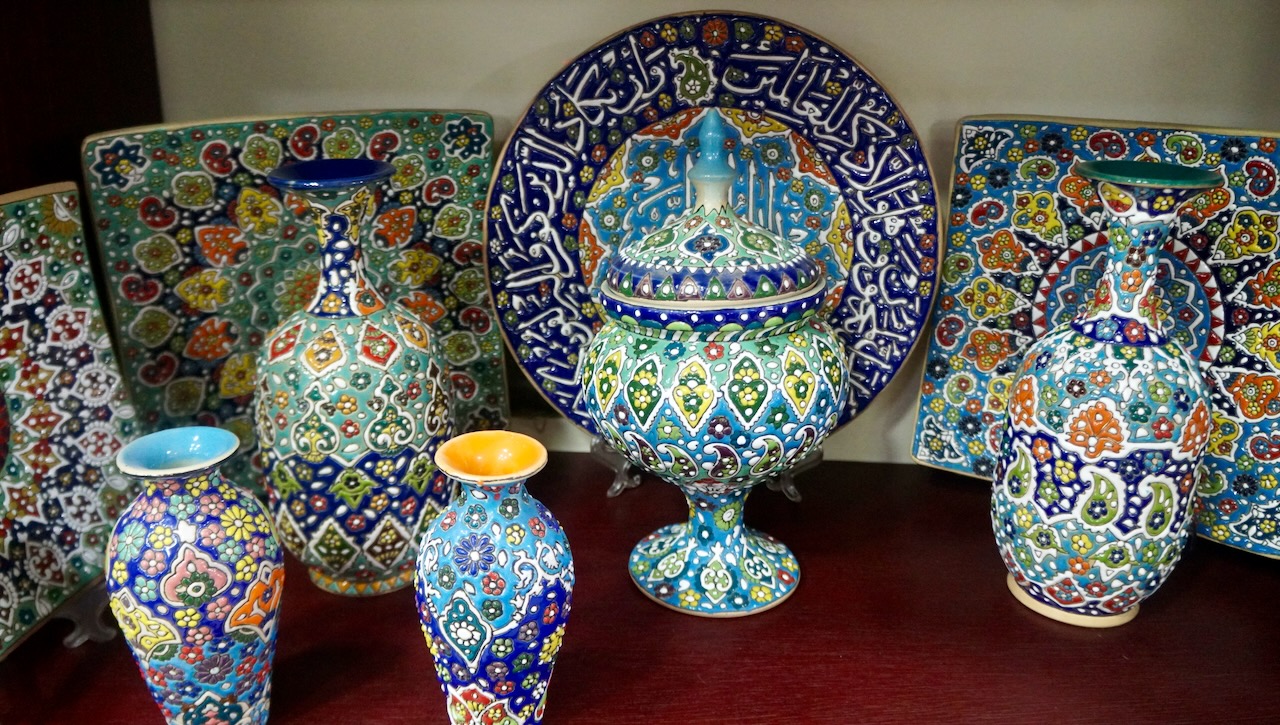
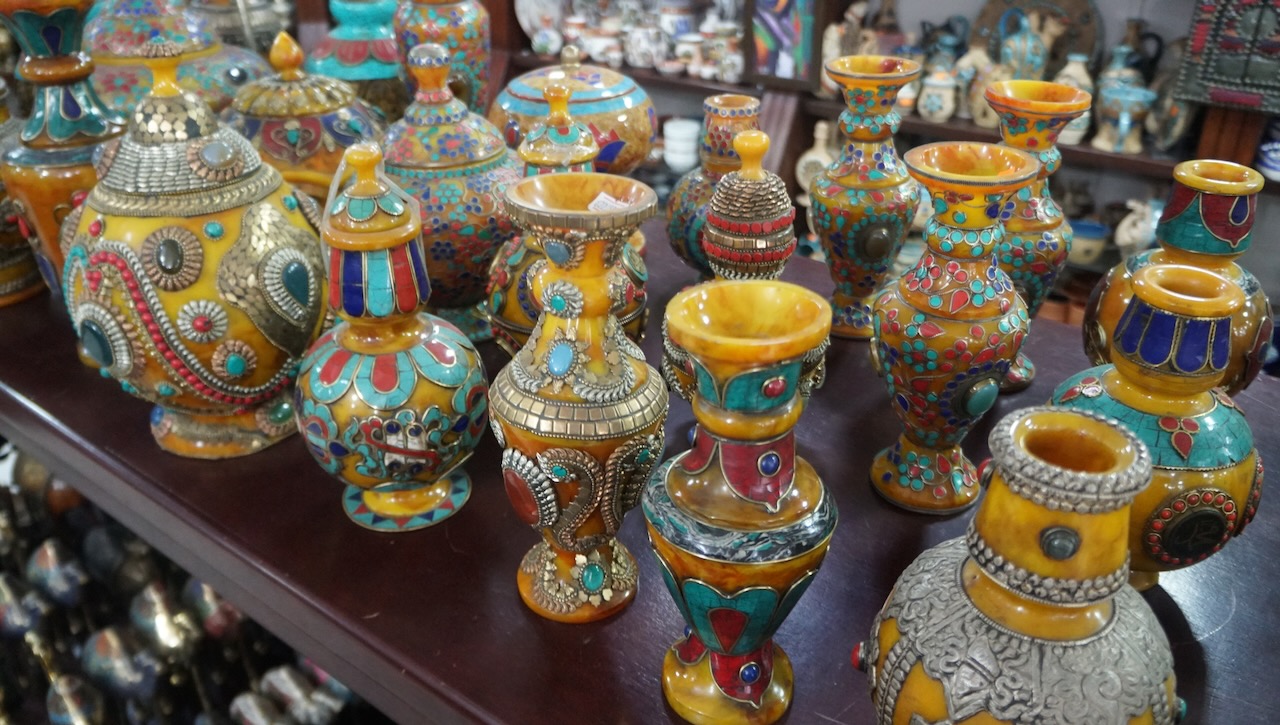
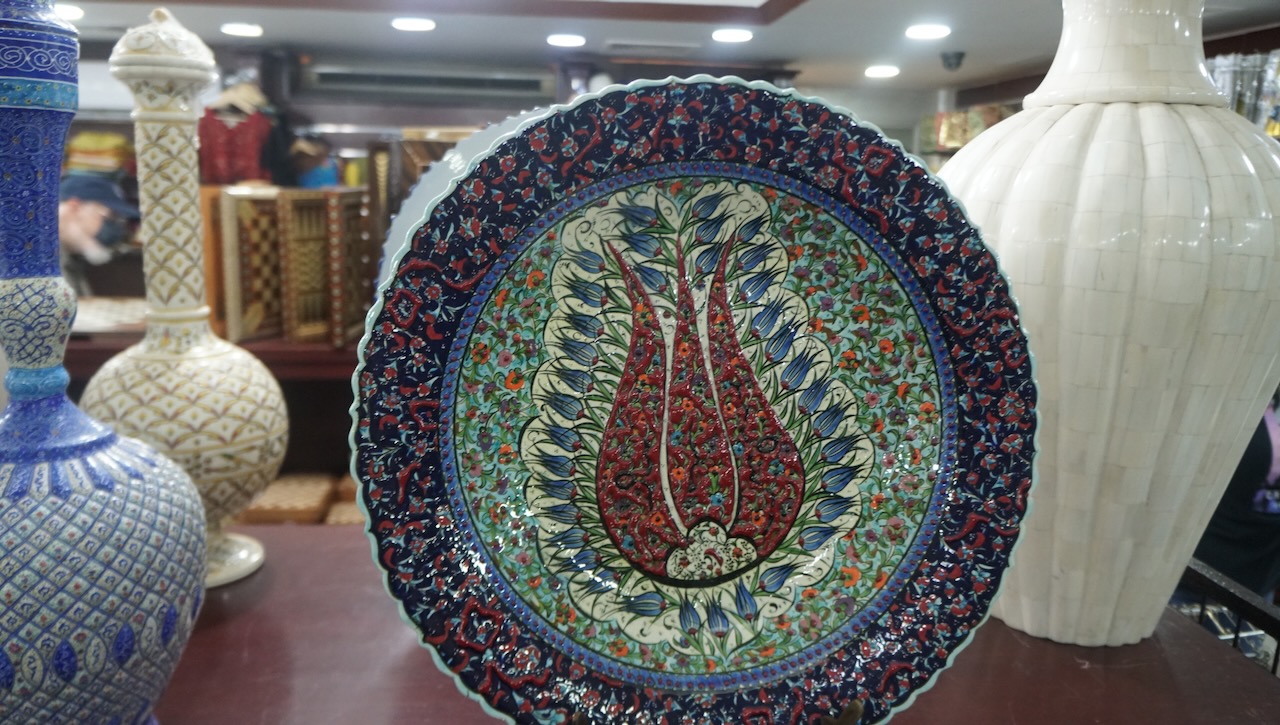
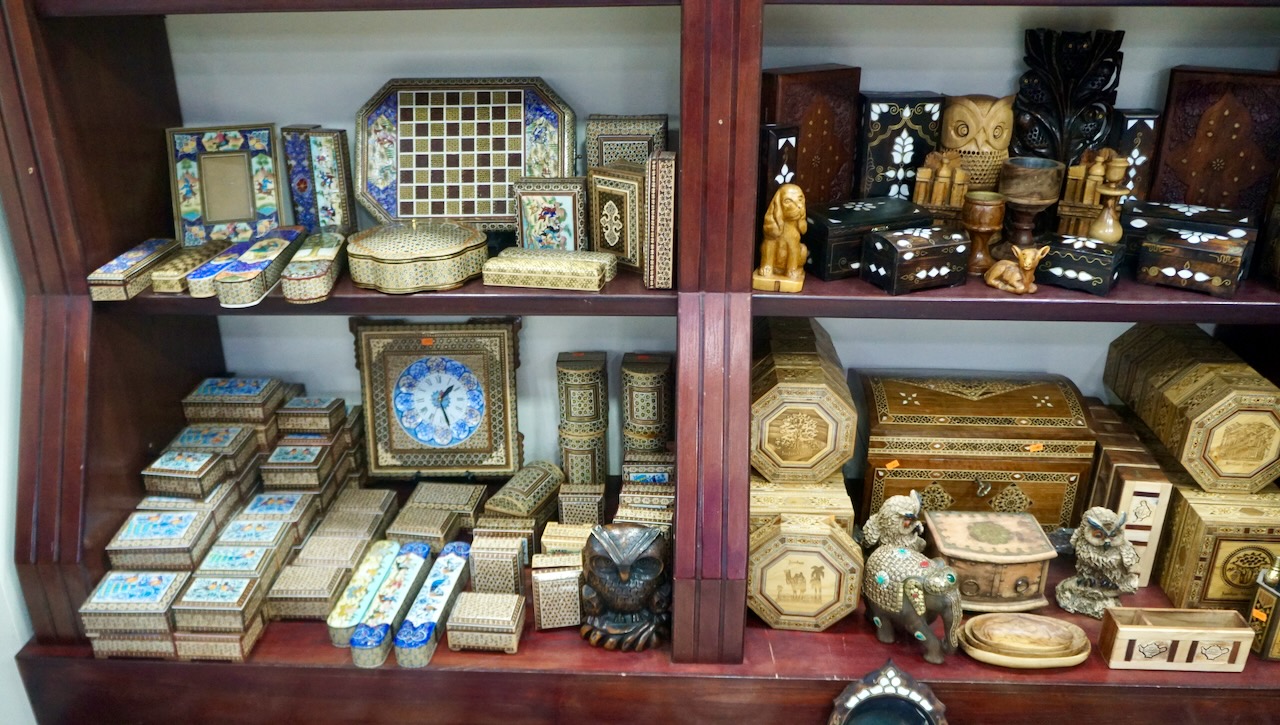
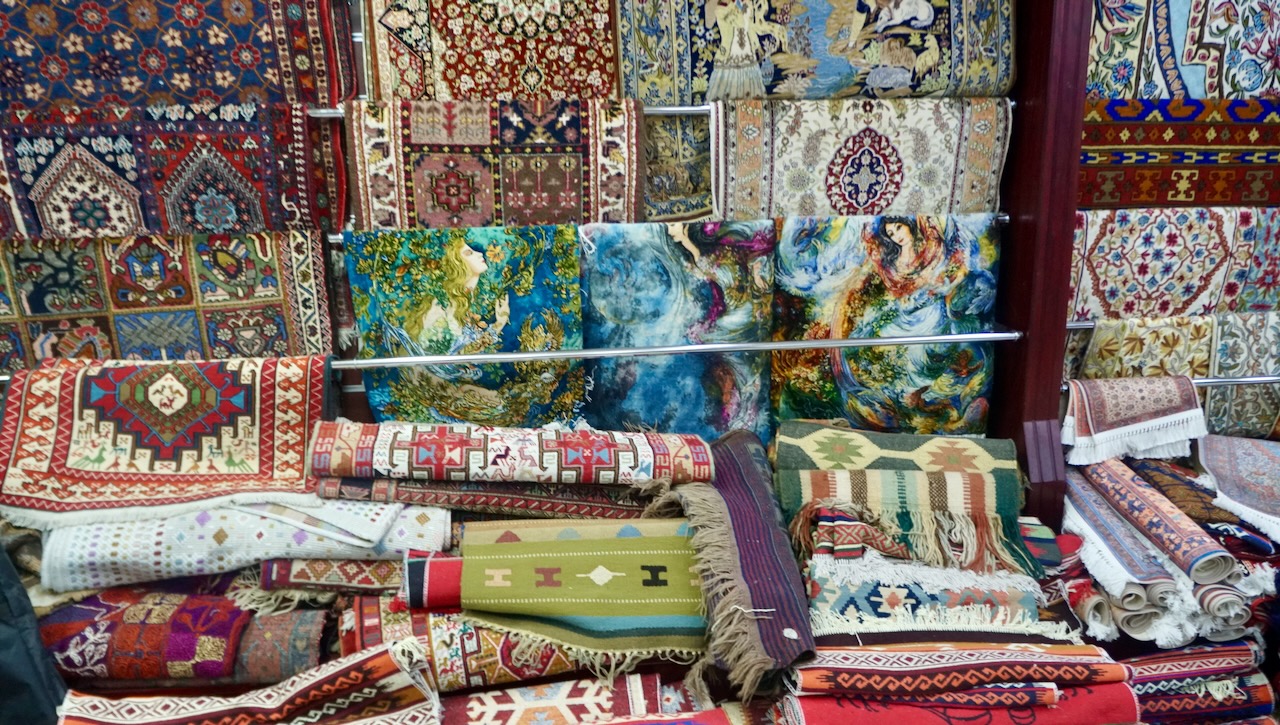
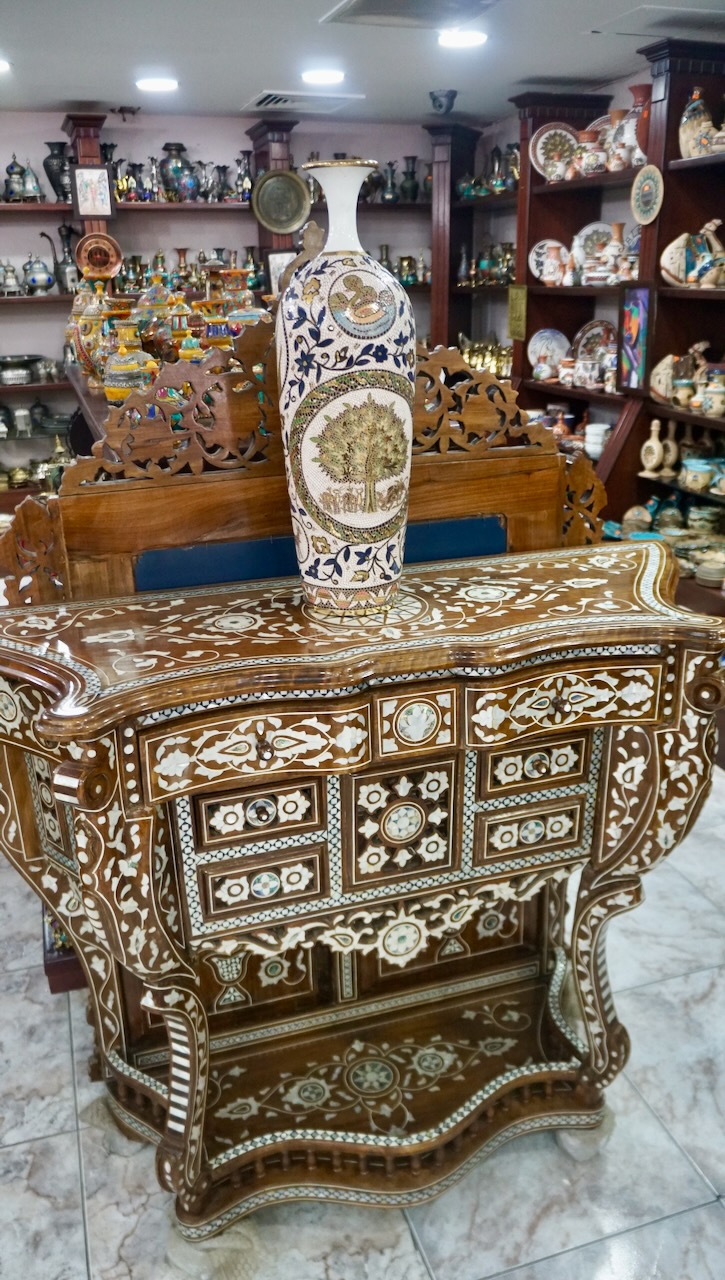
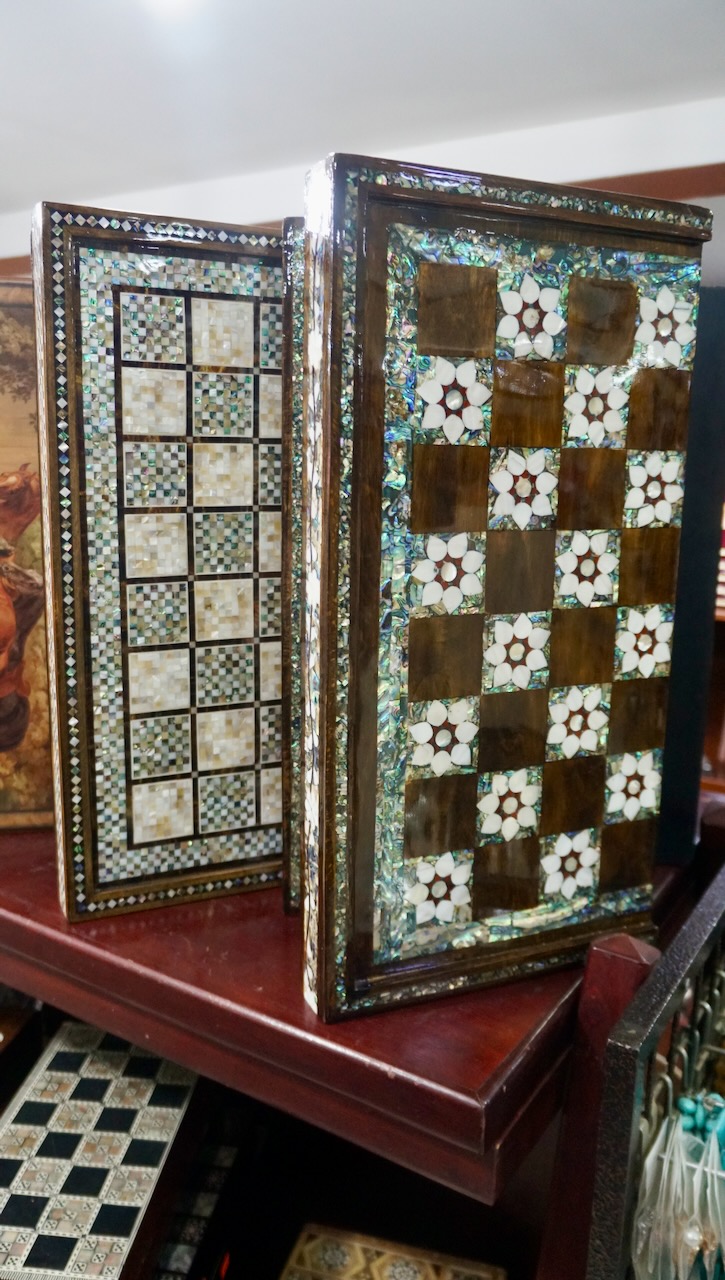
Below are photos from a single handicraft shop in Aqaba. Our fellow ship tourists contributed mightily to the local economy. Susan bought almost $200 in cosmetics, which she said would have cost double that in the US. I understand that feminine beauty is served well by cosmetic products produced in the Middle East. The perfume/fragrance industry is also very prominent in the region. We also purchased several year's worth of Jordanian spices (which we will share with our friends). We bought cumin, sumac, toasted sesame seeds, and four types of zatar, one of the most popular Jordanian spices.
In my opinion, the handicrafts seen below are among the world's best, or at the least, the best I've seen.


6 Comments on Jordan: Wadi Rum & Handicraft Photos
1 Reply
Join the Conversation