India Blog #4 - Kerala
A PHOTO COLLECTION FROM ONE OF INDIA'S MOST BEAUTIFUL STATES
Kerala is one of the southernmost states of India. It has the highest literacy rate of all Indian states: 95%! Its general standard of living is quite high compared with many other Indian states. Interestingly, its government is led by the local Communist party. We saw the hammer and sickle stenciled in various public places. I interpret the popularity of the communist party of Kerala to the desire for stronger programs to benefit the people. We didn't see any slums like one sees in Mumbai and other large Indian cities. We were in Kerala's largest city, Cochin. Perhaps there are tenement slums somewhere, but there were certainly none visible in all our travels through the city and Kerala countryside.
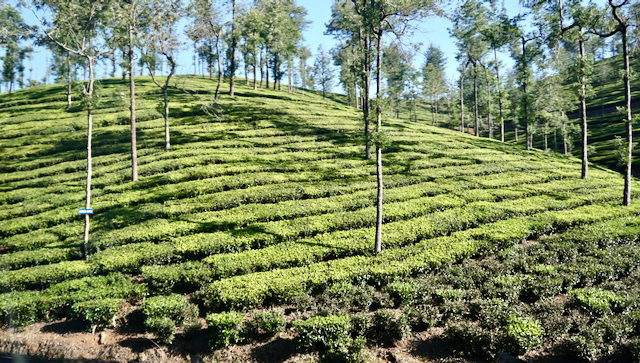
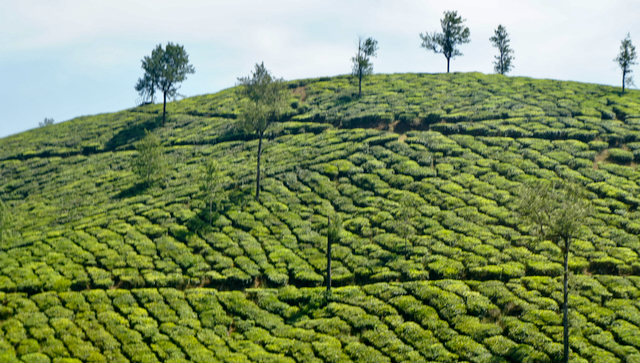
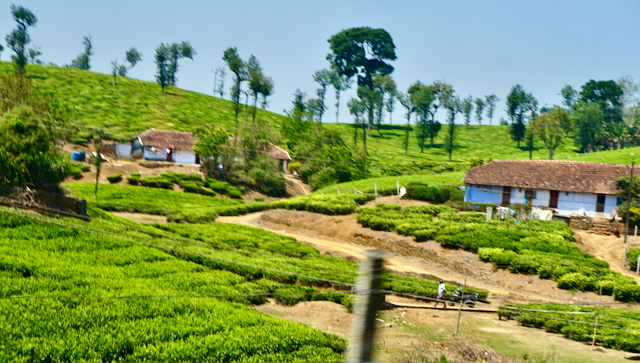
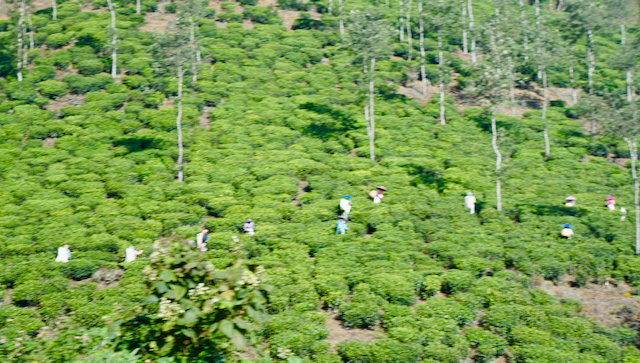
We had previously seen tea plantations in Darjeeling, India, and in Sri Lanka. It was a pleasant surprise to find so many beautiful tea plantations such as those in the photos below.
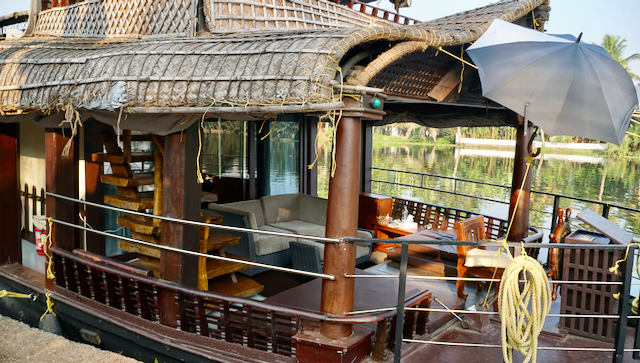
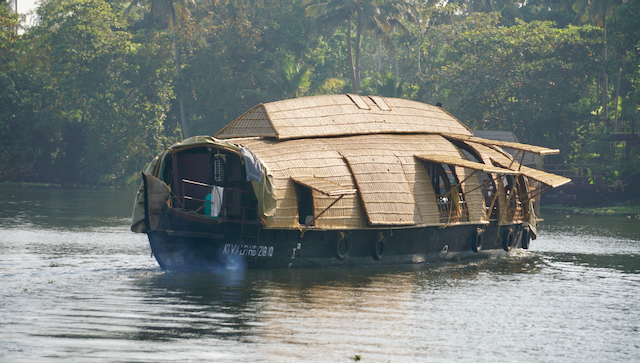
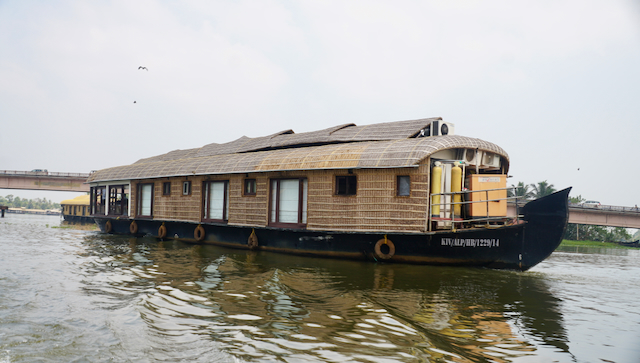
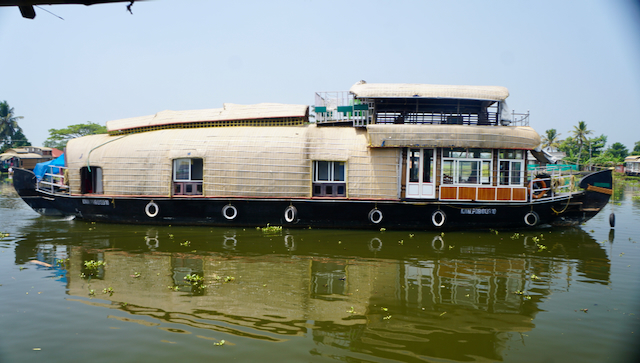
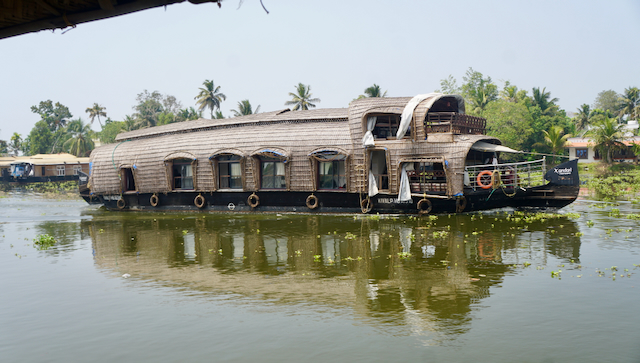
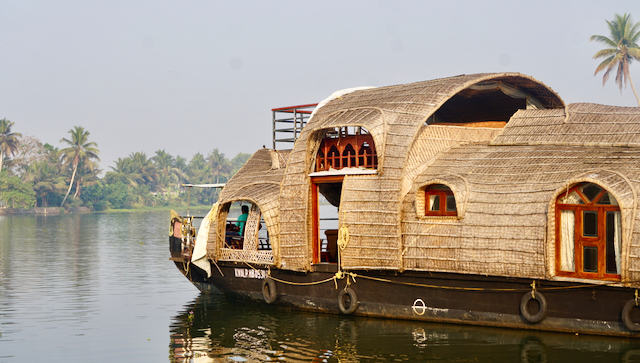
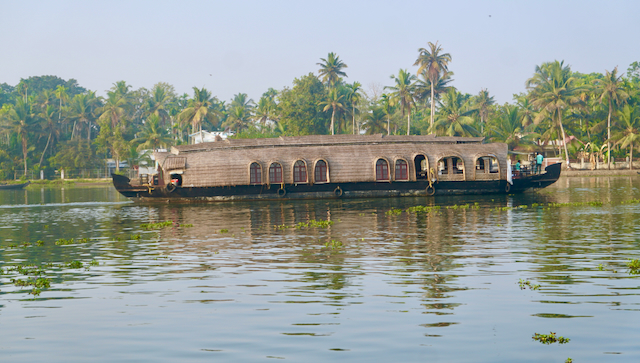
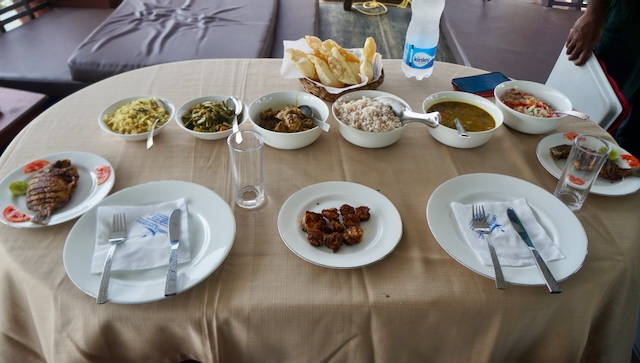
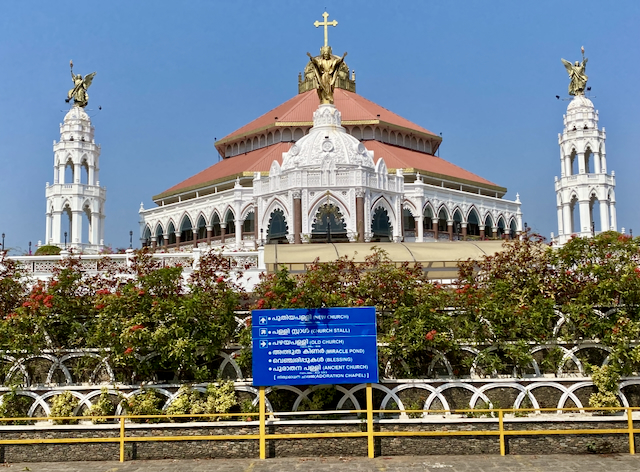
One of Kerala's most well-known tourist attractions is the houseboats on the backwaters which extend to the harbor in Kerala's largest city, Cochin. I was told that there are a total of 700-800 tourist houseboats. The majority of the houseboat owners are Christians. There were several Catholic churches located adjacent to the backwaters. Every boat is unique. The larger ones have up to six bedrooms. The houseboats were unexpectedly luxurious. We stayed overnight in a one-bedroom houseboat. Our room was air-conditioned with internet. There were three men taking care of the two of us. The cook was a longtime professional chef. The photograph of one of our delicious meals is found at the end of the houseboat photos.
Below are some of the birds that I was able to photograph from the houseboat sailing around the backwaters.
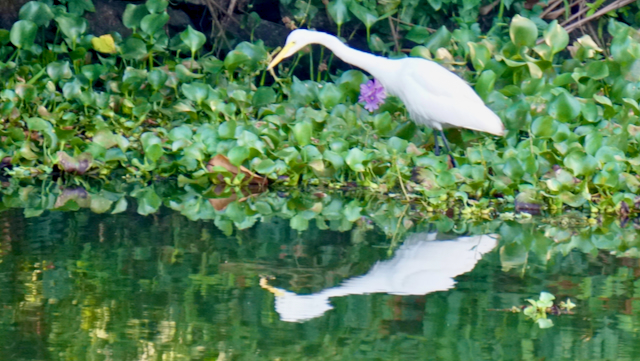
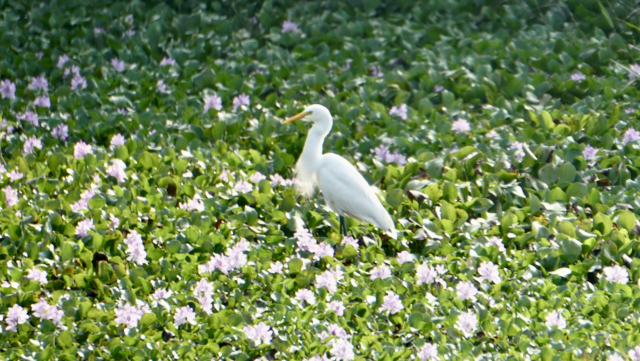
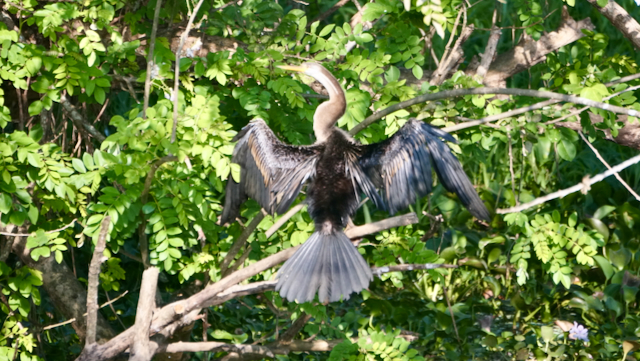
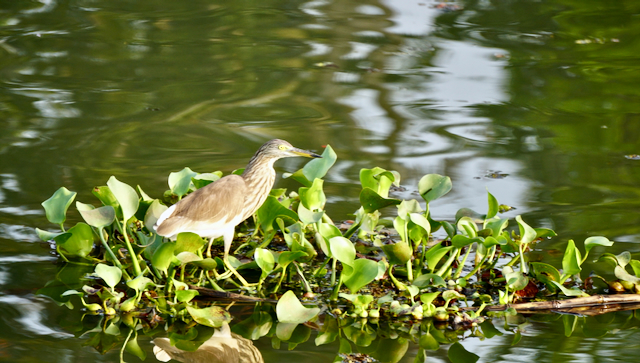
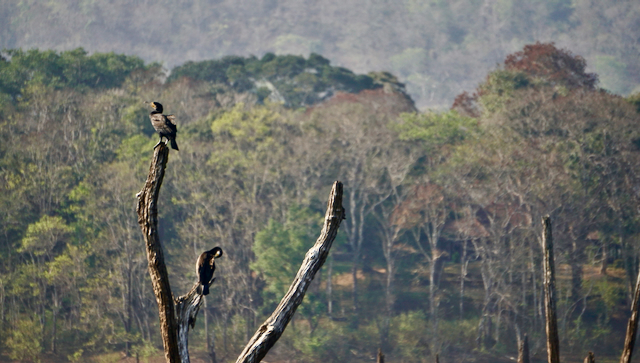
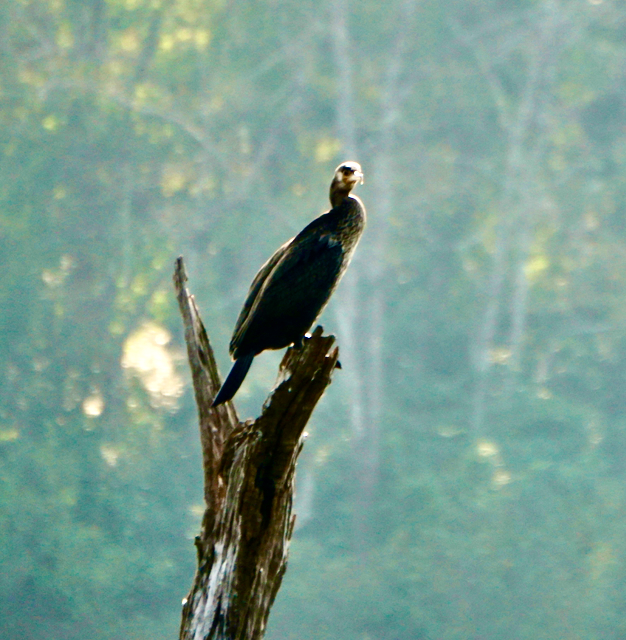
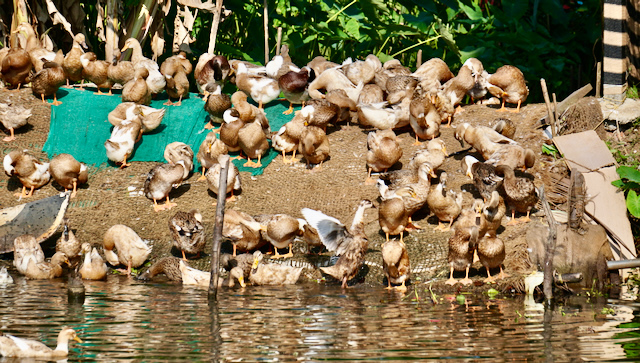
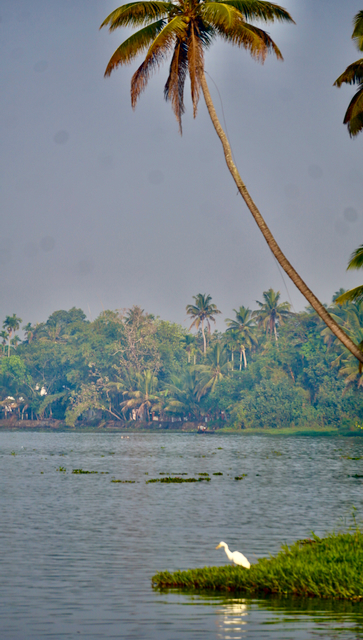
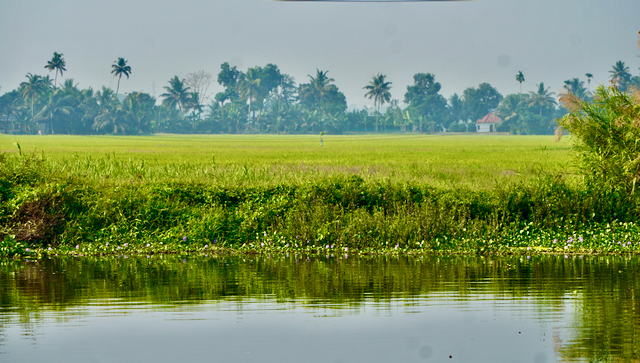
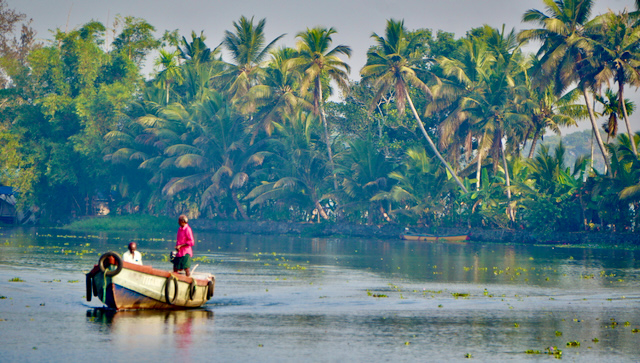
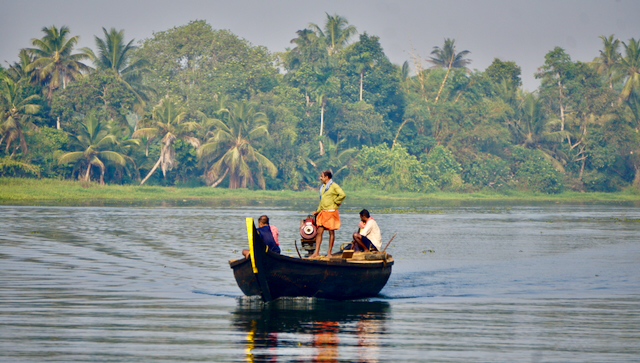
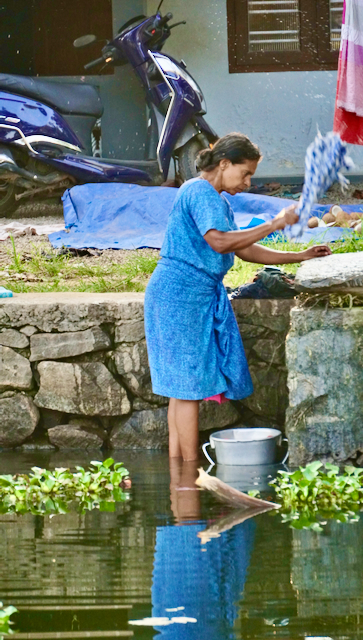
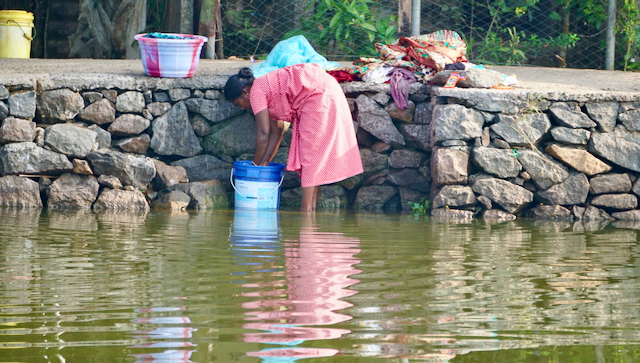
The photos below were taken from our houseboat cruising on the backwaters. Women would regularly wash clothes by beating them on the rocks. Detergents and other chemicals were used sparingly if at all.
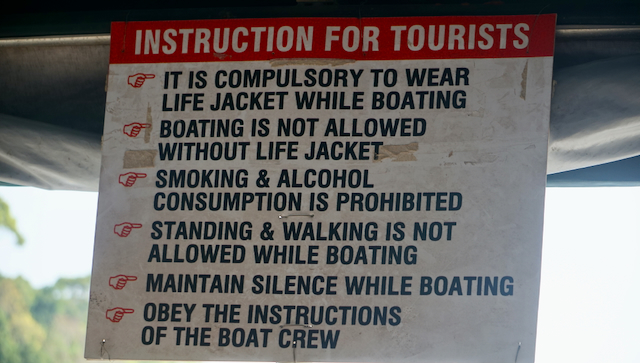
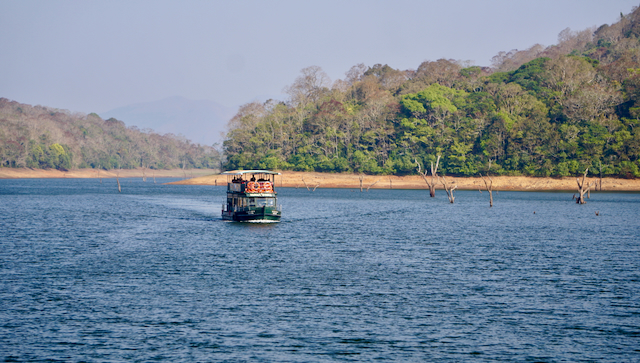
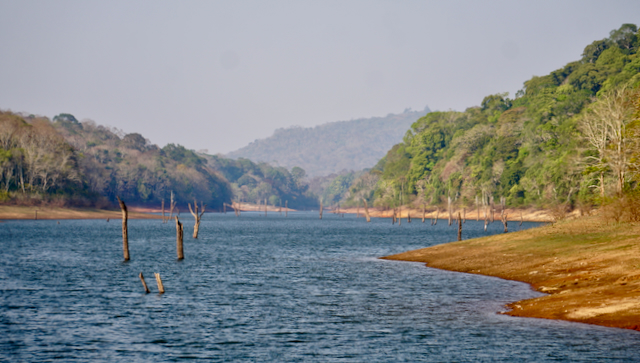
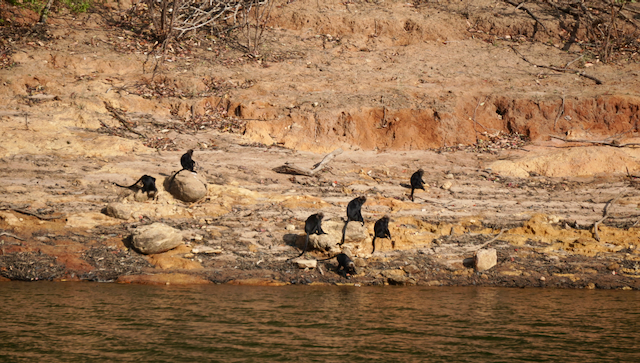
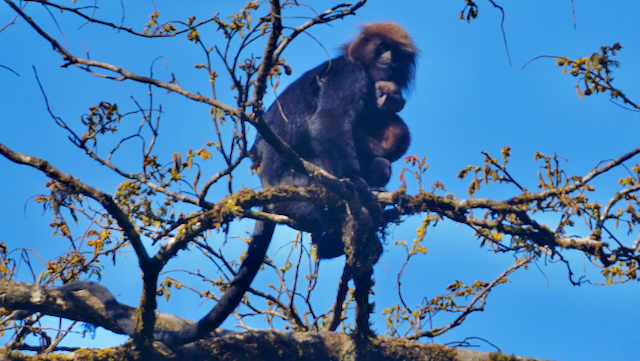
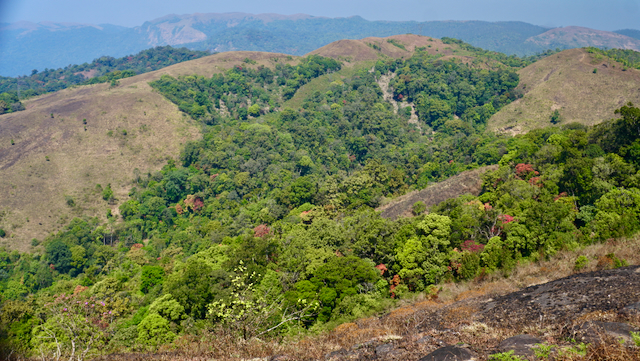
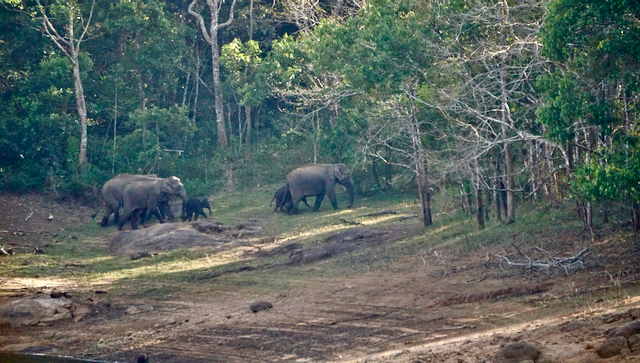
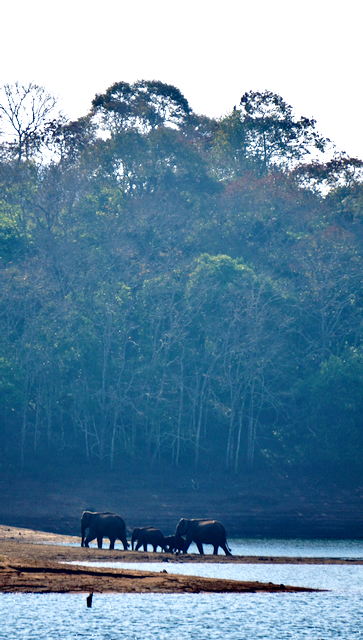
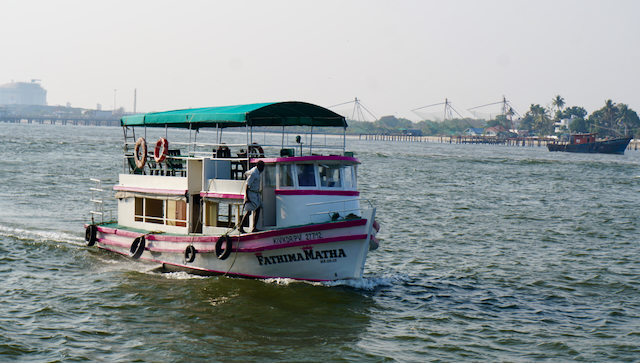
The first tiger reserve featured in my previous blog was in the state of Karnatika. It's landscape was mostly forests with undergrowth. The Kerala tiger reserve was more a jungle landscape. This made the animals harder to spot. We didn't see any tigers. But we did see Elephants, monkeys, antelopes, and tropical birds. We took a trip on a boat identical to the one in the photo below on the large lake in the reserve. The landscape was beautiful.
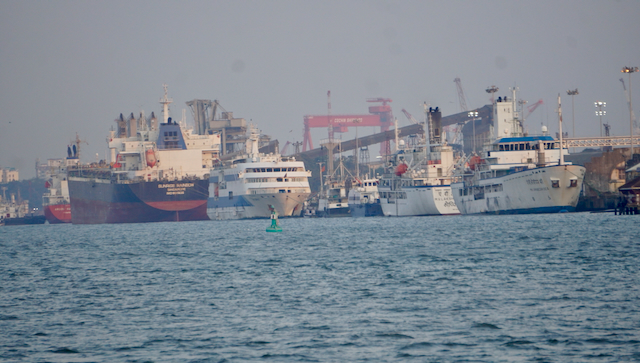
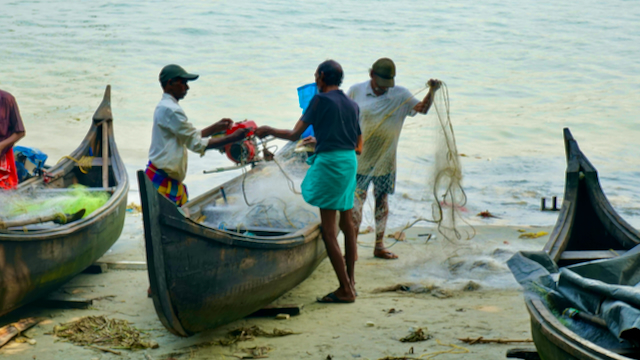
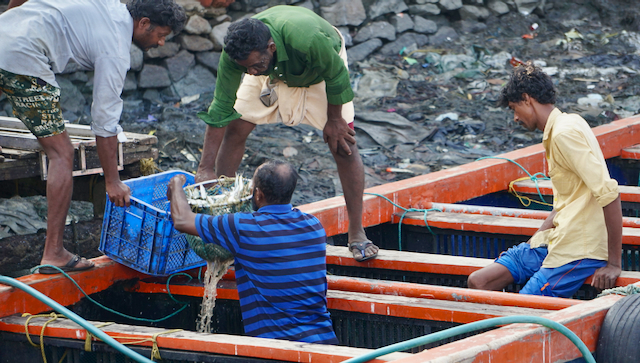
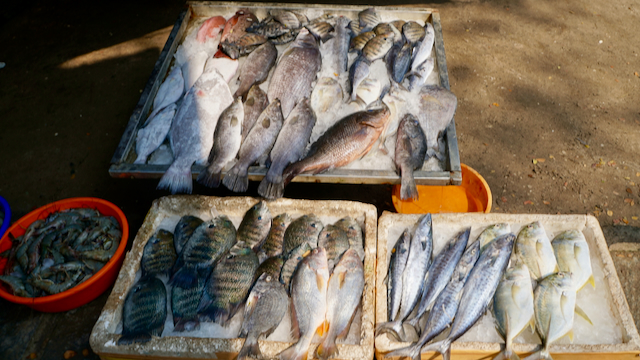
The Cochin harbor is a major port for southern India. We were given a two hour harbor tour as the only passengers on the boat, but there was no guide. The captain made a few comments in English, but the harbor tour in general was a waste of time. The fishermen were more interesting. Their small boats stood in stark contrast to the large commercial container ships. Cochin is also a port of call for cruise ships. Originally, our 2022 Viking world cruise included stopping in Cochin. But that cruise itinerary was changed due to covid restrictions. Read my cruise blogs on our www.mazerandsmith.com website.
Despite efforts by the Hindu-centric political party of prime minister Moti to legislate Hindu dominance, India has a long tradition of tolerance for all religions. Indian religions include: Hindus, Muslims, Christians, Buddhists, Jains, Parsis (Zoroastrians), and Jews. India is home to over one hundred million Muslims, making it the second most populated Muslim state after Indonesia. India has even more Muslims than neighboring Pakistan.
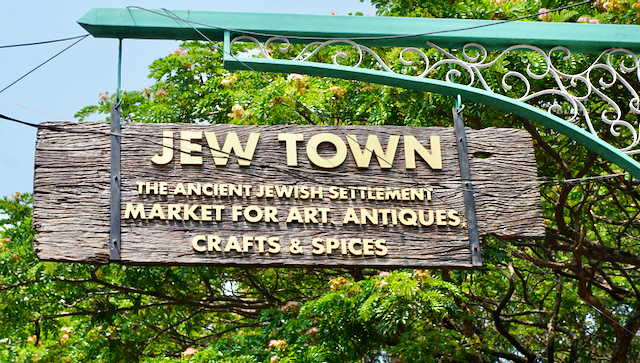
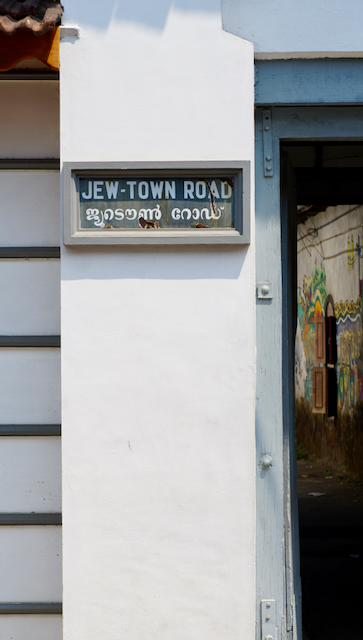
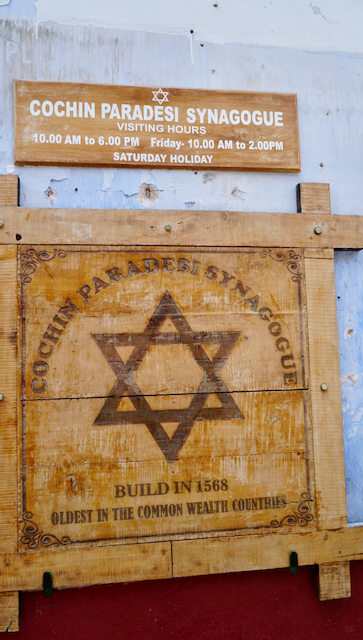
Our guide in Cochin took us to the oldest synagogue in India, founded by Portuguese Jews in the 16th century who fled Portugal when the ruling Christians expelled the Muslims and Jews from the Iberian peninsula (Spain and Portugal). The synagogue shares a common wall with a Hindu temple, which are located adjacent to the former Kerala maharaja's palace. As a city with a large natural port, Cochin has a history of conducting trade with many nationalities, supporting its history of religious tolerance. In the West, "Jew Town" would be a pejorative designation. But in Cochin, the name represents Cochin's historical pride.
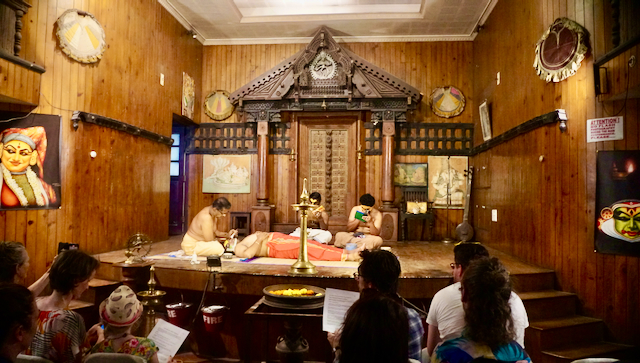
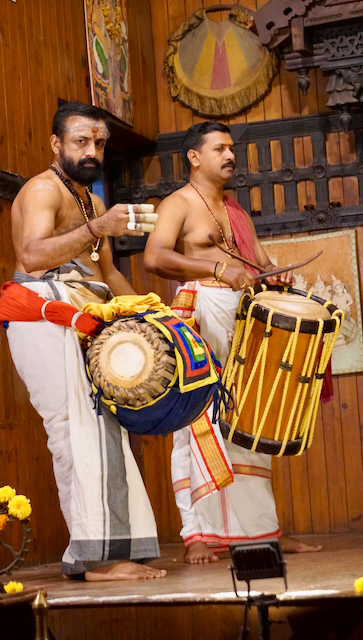
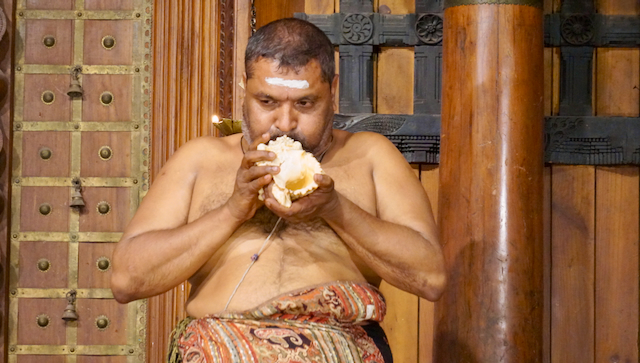
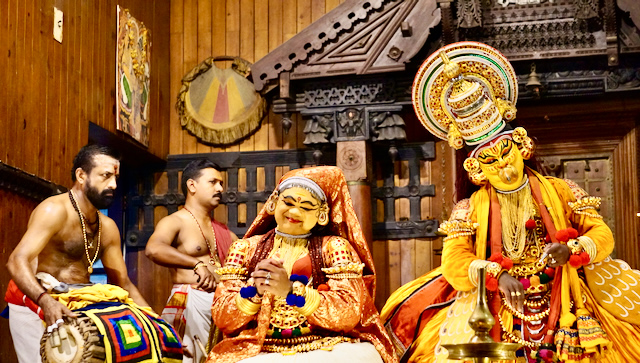
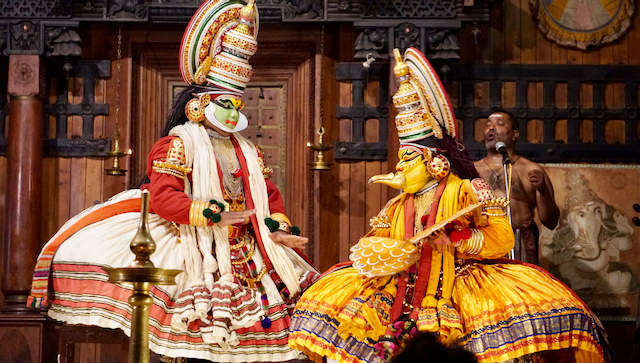
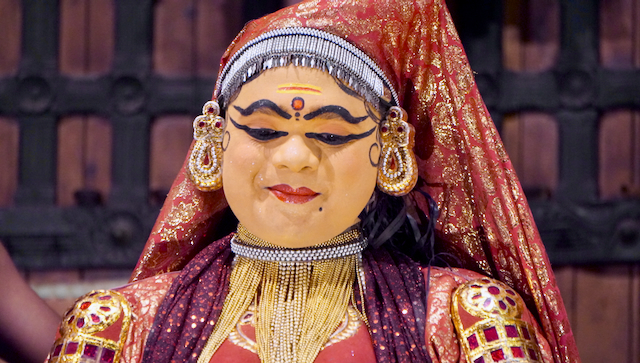
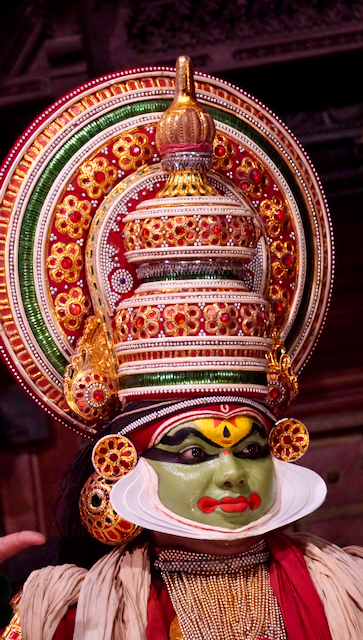
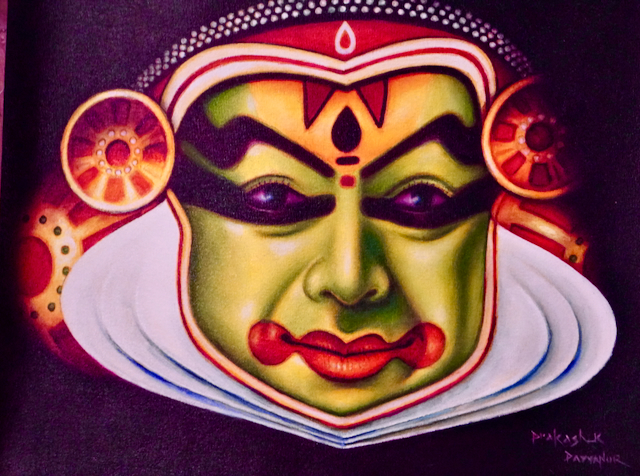
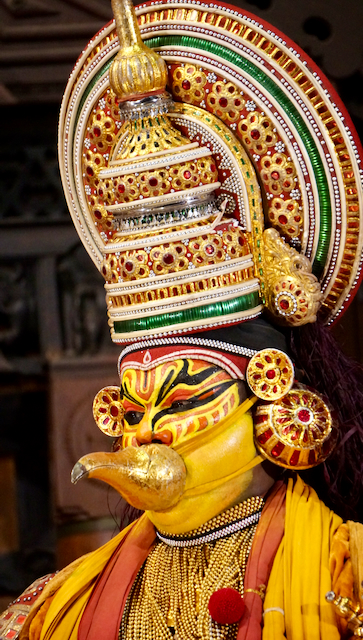
Kathakali dance is one of India's ancient dance styles, characterized by storytelling by male dancers in elaborate costumes performing enactments of traditional Hindu stories. Prior to the performance, the singer/leader narrated a demonstration of the various hand and facial expressions used to tell the story. Though the singer sang in a language we couldn't understand, we were given a program sheet that explained the story being told by the dancers, a traditional Hindu narrative of the interaction between gods and humans. The music consisted solely of the singer and the drummers
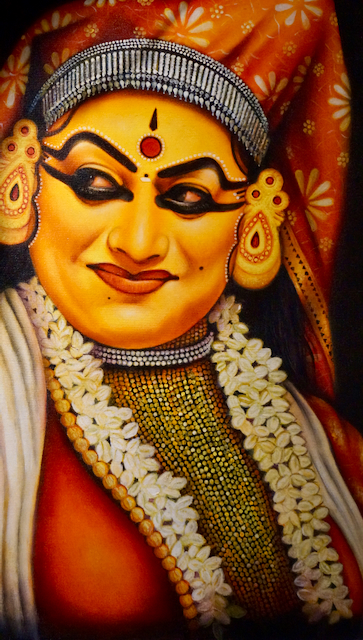
This Kathakali theater has Kathakali dance performances every day of the year! The theater opens an hour before the performances for the public to witness the application of makeup on the actors' faces. This is shown in the photo below. Observe the two paintings on either side which are depictions of the lead dancers seen in the photos below taken during the show.
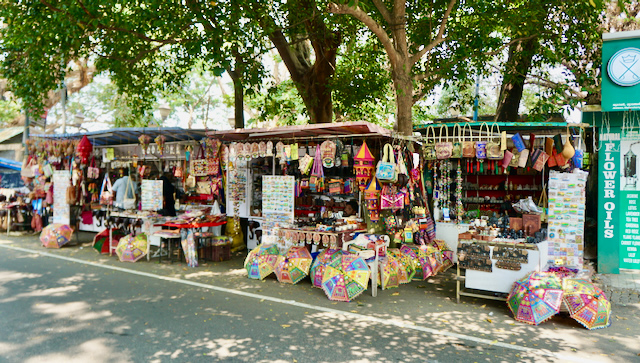
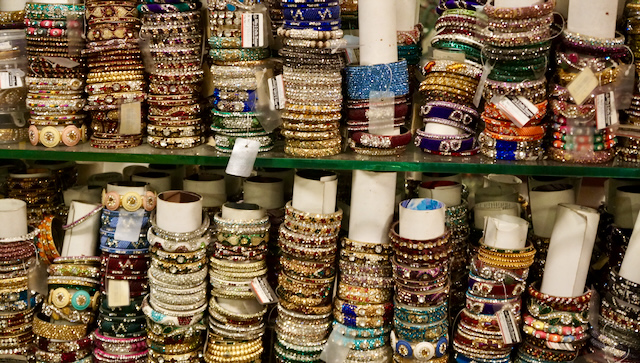
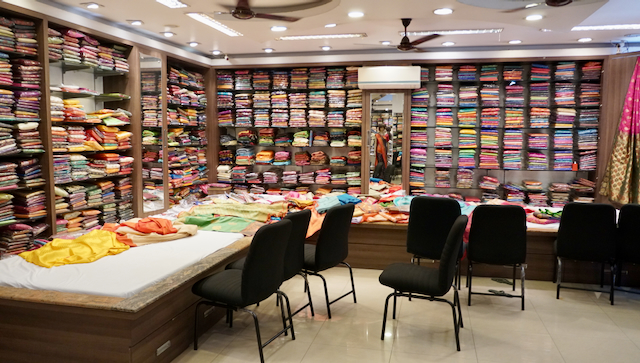
Shopping for Indian handicrafts is a major part of the tourist industry. Most of the cheaper goods are mass produced and sold in portable stands such as the ones below. These photos were taken in Jew Town. Similar goods are for sale in all tourist towns.
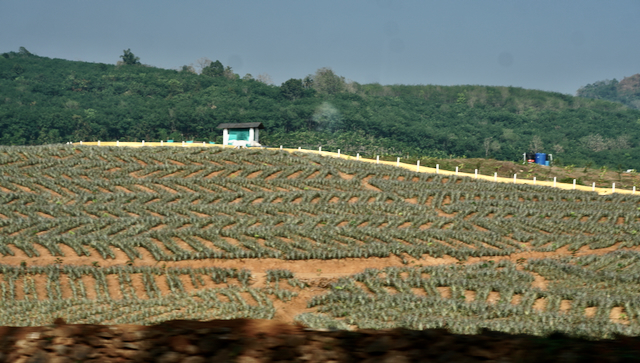
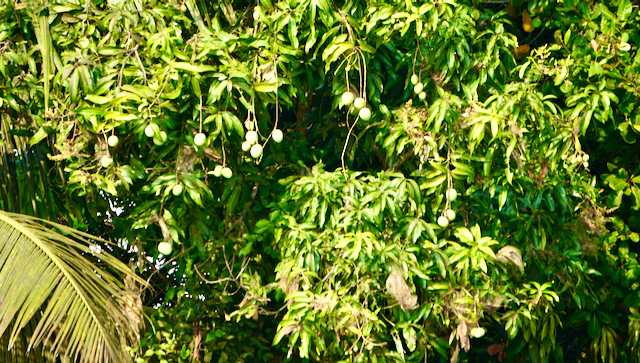
Kerala is filled with coconut trees. I enjoy the green coconut juice available in roadside stands throughout Kerala. Indian fruits are delicious and plentiful. Every morning at our hotels, we ate fresh papaya, watermelon, cantelope, and pineapple. Unfortunately, we are here too early for mangos. Below is a pineapple farm.
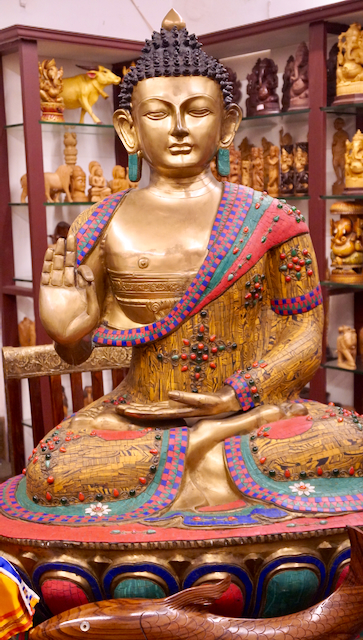
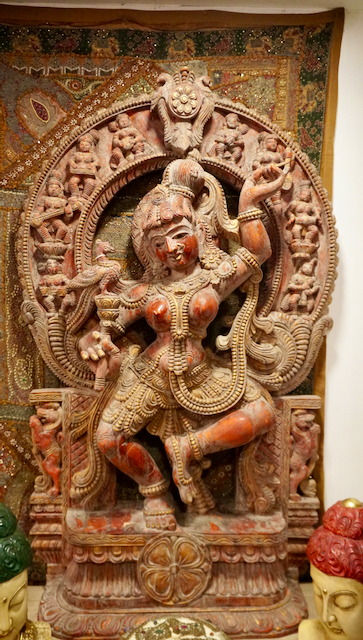
Below are two of larger carvings for sale: wooden Buddha and Shiva Nataranja, the cosmic dancer.
7 Comments on India Blog #4 - Kerala
Join the Conversation